
Stage Rental LED Display: Complete Selection, Installation & Professional Brand Guide
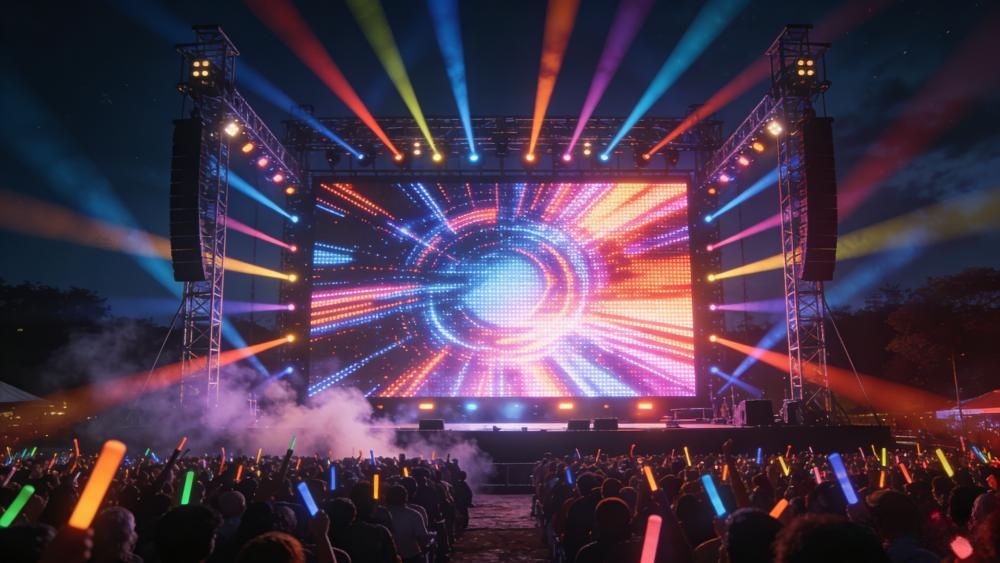
/Stage Rental LED Display solutions have become the visual backbone of modern live events, concerts, exhibitions, product launches, and outdoor festivals. From massive stadium tours to elegant corporate ceremonies, LED screens no longer serve as simple backgrounds—they define the entire stage experience.
Choosing the wrong stage rental LED display can lead to washed-out visuals, flickering camera feeds, delayed installations, or even complete event failure. This comprehensive guide is designed for event organizers, rental companies, technical directors, and production managers who demand reliability, performance, and scalability.
In this article, we will break down how to select, install, maintain, and evaluate stage rental LED displays, while also highlighting real-world applications such as OUTDOOR RENTAL LED DISPLAY BOARD PROJECT solutions used in large-scale live events.
1. Why Choosing the Right Stage Rental LED Display Is Critical
The Visual Core of Modern Stages
In today’s event industry, LED displays are no longer optional add-ons. They are the primary storytelling medium—delivering visuals, brand identity, atmosphere, and emotional impact.
A well-designed Stage Rental LED Display can:
- Elevate audience immersion
- Enhance performer presence
- Synchronize visuals with lighting and sound
- Support live broadcasting and social media streaming
The Cost of Choosing the Wrong LED Display
Incorrect LED selection can cause:
- Poor visibility under strong lighting
- Camera flicker during live broadcast
- Installation delays and safety risks
- Color inconsistency across screens
- Increased maintenance and emergency costs
Who This Guide Is For
This guide provides a structured decision framework for:
- Event planners
- Stage rental companies
- AV integrators
- Technical supervisors
- Brand marketing teams
2. Step One: Analyze Your Event Requirements Before Selection
2.1 Event Type and Scale Matching
Different events demand different LED performance levels.
Large Concerts & Music Festivals
- Ultra-high brightness
- Wide viewing angles
- Fast content switching
- High refresh rates for live broadcast
Corporate Launches & Award Ceremonies
- High resolution
- Accurate color reproduction
- Stable and flicker-free performance
Theater & Dance Performances
- Artistic color fidelity
- Curve and creative shape capability
- Low noise and uniform brightness
Weddings & Private Events
- Budget-friendly solutions
- Fast installation
- Soft and warm visual tone
2.2 Venue Environment Assessment
Indoor / Outdoor / Semi-Outdoor Differences
This is a fundamental distinction affecting brightness, protection level, and structure.
Venue Size & Audience Capacity
- Determines screen size
- Impacts resolution planning
- Affects pixel pitch selection
Existing Stage Structure
- Load-bearing capacity
- Power distribution
- Access and transport routes
Ambient Light Conditions
- Sunlight exposure
- Stage lighting intensity
- Reflection and glare considerations
2.3 Content & Performance Requirements
- Live broadcasting → high refresh rate mandatory
- Interactive visuals → fast response time
- Multi-screen coordination → unified control system
- Main screen + side screens + floor LED → integrated design strategy
3. Six Core Factors for Stage Rental LED Display Selection
3.1 Pixel Pitch: Balancing Clarity and Budget
Viewing Distance Formula:
Minimum viewing distance (m) = Pixel pitch (mm) × 3
Resolution Planning
- HD / 4K / 8K signal sources
- Camera framing requirements
Recommended Pixel Pitch by Scenario
Main Stage Background
- Small–medium indoor venues: P2.5–P3.9
- Large arenas / outdoor stages: P4.8–P6.25
- High-end concerts: P2.5–P3.9
Side & Auxiliary Screens
- Close interaction zones: P3.9–P4.8
- Long-distance info screens: P6.25–P8.9
LED Floor & Creative Screens
- High load-bearing priority: P4.8–P6.25
- Lightweight models: P3.9–P4.8
3.2 Brightness: Competing with Stage Lighting
Indoor Brightness Guidelines
- Dark environments: 800–1,200 nits
- Standard stage lighting: 1,500–2,500 nits
- Strong spotlight zones: 2,500–4,000 nits
Outdoor Brightness Guidelines
- Cloudy / evening: 3,500–5,000 nits
- Direct sunlight: ≥6,500 nits
- Summer noon events: 8,000+ nits
Intelligent Brightness Control
- Ambient light sensors
- Time-based brightness presets
- HDR content support
3.3 Refresh Rate: Preventing Camera Flicker
- ≥1,920Hz – basic viewing
- ≥3,840Hz – professional broadcast
- ≥7,680Hz – 4K/8K & slow-motion filming
Testing tips:
- Use multiple camera shutter speeds
- Confirm processor compatibility
- Validate multi-camera synchronization
3.4 Protection Level & Structural Reliability
Protection Ratings
- Indoor rental: IP20–IP31
- Outdoor rental: IP65 minimum
- Extreme weather: IP67–IP68
Rental-Oriented Structural Design
- Weight ≤ 25kg/m²
- Fast-lock system (≤10 seconds per cabinet)
- Front & rear maintenance
- Flight case transport compatibility
3.5 Installation Speed & Creative Flexibility
Installation System Comparison
- Bolt-based: very stable, slow
- Magnetic: ultra-fast, power-sensitive
- Mechanical lock: best balance (industry mainstream)
Creative Stage Possibilities
- Curved LED walls
- Irregular shapes (triangle, diamond)
- Moving LED structures (lifting, rotating)
3.6 Budget Planning & Cost Control
Cost Breakdown
- LED rental fee
- Control systems & processors
- Technical service
- Transport & insurance
- 10–15% contingency reserve
Cost Optimization Strategies
- Off-season rental pricing
- Package deals
- Long-term cooperation agreements
4. Stage Rental LED Display Installation Workflow
4.1 Pre-Installation Preparation
- Structural load ≥ 1.5× screen weight
- Dedicated power circuits
- Ground resistance < 4Ω
- Signal redundancy planning
- Safety access & evacuation routes
4.2 Installation Execution Phase
Day 1: Structure → leveling → cabinet hanging
Day 2: Power → signal → system debugging
Day 3: Final calibration → stress testing → delivery
Key control points:
- Level deviation < 1mm / 10m
- Cabinet gap < 0.5mm
- Redundant signal auto-switching
- Balanced three-phase power
4.3 Safety & Environmental Adaptation
- Certified high-altitude operators
- Leakage protection & lightning protection
- Flame-retardant materials
- Wind resistance reinforcement
- Thermal management systems
5. Maintenance & Lifecycle Management
5.1 Daily Maintenance During Events
- Pre-start checks
- Temperature monitoring (<65°C)
- Pixel anomaly logging
- Surface cleaning
5.2 Long-Term Maintenance Plan
- Monthly cleaning & firmware check
- Quarterly power inspection
- Semi-annual calibration
- Annual full inspection
6. Professional Brand Evaluation Framework
Rigard LED, as a professional LED screen manufacturer, provides stage rental LED display solutions widely used in:
- Concert tours
- Sports events
- Outdoor festivals
- Brand roadshows
View real applications here:
OUTDOOR RENTAL LED DISPLAY BOARD PROJECT
Rigard LED products comply with TUV, EMC, CE, and RoHS certifications and follow strict IQC, IPQC, QC, CFQC, QA quality systems, ensuring long-term rental reliability.
7. Rental Cooperation Models & Contract Essentials
- Equipment-only rental
- Full-service rental
- Annual framework agreements
- Joint investment models
Key contract clauses:
- Detailed equipment list
- Response time definition
- Damage responsibility
- Insurance coverage
8. Future Trends in Stage Rental LED Display
Technology Trends
- Micro LED adoption
- Transparent LED stages
- Flexible & curved LED
- Wireless transmission
Business Model Innovation
- Digital asset management
- Subscription-based rental
- Regional equipment sharing
9. Final Recommendations
For Event Organizers
- Plan LED display early
- Validate on-site before events
- Always prepare backup solutions
For Rental Companies
- Standardize equipment
- Productize services
- Invest continuously in new technology
Call to Action
If you are planning a concert, festival, exhibition, or large-scale outdoor event, choosing the right Stage Rental LED Display is the foundation of success.
Rigard LED delivers certified, professional, and scalable rental LED display solutions for both indoor and outdoor stages worldwide.
Contact Rigard LED today to get a customized stage or
OUTDOOR RENTAL LED DISPLAY BOARD PROJECT
solution tailored to your event, venue, and budget.


