
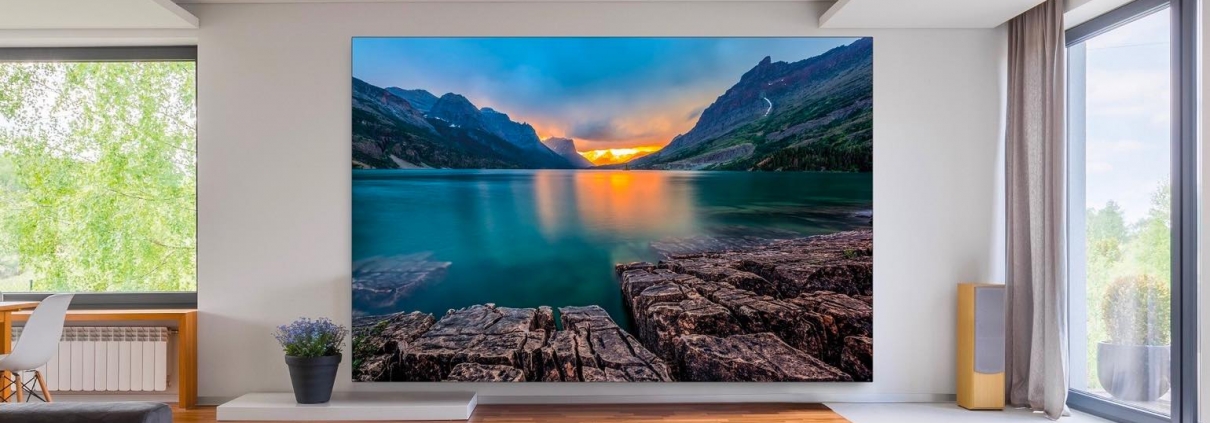
P1.56 LED Display: How to Choose a Small Pixel Display
/P1.56 LED Display
Small pixel light-emitting diode displays are extremely popular these days in the world of the LED screen market. Hundreds of thousands of people across the globe prefer small pixel LED screens for a few common benefits. These benefits include a higher refresh rate, exceptional color uniformity, and high contrast. P1.56 LED display is currently one of the most sought-after LED displays in the market for commercial purposes. But the question is that how would you choose these displays? The best way is to choose LED displays according to your use case. However, there are some common factors that you must keep in mind before buying the display.
In this guide, you will learn how to choose a perfect P1.56 small pixel light-emitting diode LED screen for your use case. We will try to explain this method in the simplest manner so that even a layman can understand it without any hurdle.
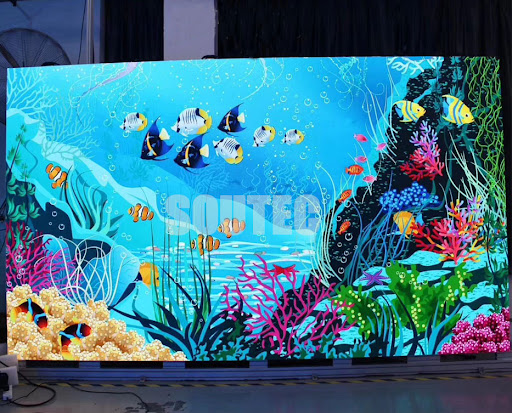
Key Points to Remember When Choosing a P1.56 LED Display
There are various things that should be in your mind before investing in a P1.56 LED display. First of all, it is important to ensure that you need a small pixel display. Remember that small pixel displays are appropriate when viewers will be watching your content from only a few feet away from the screen. If you need the display for places like stadiums, etc. you simply don’t need it. But if you have decided to invest in these displays, here are the key points that you need to follow.
1. Higher Fill Factor
The LED display fill factor (ratio of bright area) is the light-emitting area ratio of every pixel to the screen’s physical surface filled by pixels. LED screens consist of various discreet pixels. There are several things that differentiate pixels. The screen’s black part isn’t illuminated. When you view it at a closer range, you will find an incoherent screen. The graininess you find there is because of the uneven brightness. When the source of light is limited, every single pixel will be much brighter than the entire display screen. Many times, this will create a highly serious slapstick.
According to the light-emitting diode display industry-standard TCO99; the fill factor must not be below fifty percent. Today, most Led screens in the market fulfill this requirement. The low-pass filter’s cut-off characteristics affect the appropriate viewing distance directly of an LED screen with various fill factors. For a Led screen with a similar dot pitch, the screen with a smaller fill factor would have a small attenuation than screens with larger fill factors. So, it will become essential to increase the viewing space.
Remember that fill factor increase results in a wider display screen viewing angle and the effect of color mixing would be more ideal. It will resolve the pixels glare issue and create perfect conditions for appropriately enhancing the screen’s brightness for great results. A P1.56 LED display with a sixty percent fill factor will have reasonable soft brightness, delicate and clear expression, and even bright colors to ensure top quality LED screen display.
2. Color Temperature Adjustments
The color temperature of a screen is a temperature that we determine by making a comparison between the emitter’s emission spectrum shape and the perfectly fitted emission blackbody spectrum. When using the LED screen as the background, its color temperature must be similar to the temperature color we have in that room. It is necessary to ensure adequate color reproduction when viewing. Remember that the lighting depends on your program requirements.
Sometimes, you use low color 3200K temperature lamps and sometimes you use high color 5600K temperature lamps. You must make sure that the LED display must adjust according to the color temperature in the room or area where you will use it. Otherwise, you would not be able to experience great viewing effects.
3. Viewing Distance
When buying a P1.56 LED display, you must make sure that the viewing distance is appropriate. As we already mentioned in this article, the right LED screen viewing distance differs with different LED screen pixels and the fill factors. Four to ten meters is the right space between the LED display and the person so that you can receive a perfect background picture when taking a picture. If you are extremely close, the background would look grainy while taking the picture. So, you have to consider the viewing distance when buying your new small pixel pitch display.
4. Operating Environment
Different LED screens are appropriate for different operating environments. For example, you cannot use an indoor LED screen for outdoor purposes; neither can you use an outdoor LED indoors. Remember that the lifespan of the LED screen depends on the working conditions or environment. LED displays are integrated electronic appliances. They mainly consist of light-emitting diode boards along with electronic parts. The stability and lifespan of these parts depend heavily on the working temperature. When the actual working temperature goes above the recommended temperature, the LED screen will experience a premature failure.
Additionally, you can also not ignore the dust factor. If you need to use your P1.56 LED display in a dusty place, it will affect the working of the unit in the long run. Accumulation of the dust will also cause a hot temperature in components of the LED screen. In extreme cases, it may cause burning. Keep in mind that dust also attracts moisture that may corrode screen circuits, causing short-circuit issues that are too dangerous for LEDs. Therefore, it is essential that you choose the LED screen according to the working environment.

Summary
When choosing a small pixel LED display, you must pay attention to the factors, such as fill factor, temperature adjustments, operating environment, and viewing distance. Small pixel display screens are costly counterparts of traditional LED displays. Therefore, you must make sure that you are investing in the right display screen according to your requirements and actual working environment. Before choosing any P1.56 LED display model, you can conduct online research about the most reliable LED displays available on the market. There, you can easily find the most sought-after LED displays according to different use cases.
Please visit this website for a variety of high-quality small-pixel display screens.


