
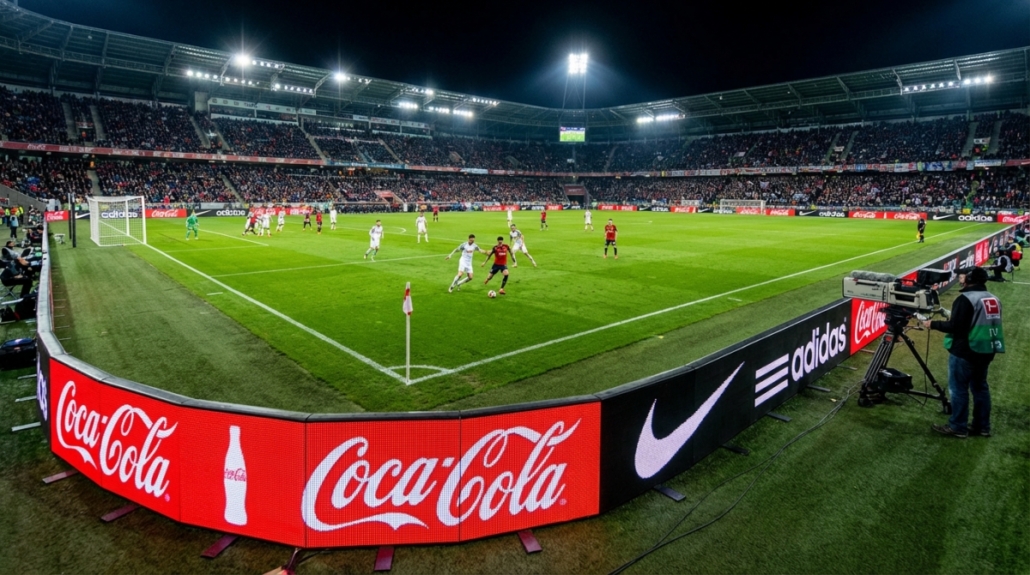
How Much Does a Stadium Perimeter LED Display Screen Cost? The Ultimate 2025 Guide
/A Stadium Perimeter LED Display Screen is not just a piece of electronic equipment installed around a football pitch or basketball court — it is a powerful revenue-generating advertising asset. For stadium owners, sports clubs, and event organizers, investing in a professional stadium LED system directly impacts sponsorship value, broadcast quality, and long-term profitability.
So how much does a Stadium Perimeter LED Display Screen cost in 2025?
Generally, the price for a professional stadium perimeter LED display ranges from $800 to $1,500 per square meter, depending on pixel pitch (P8/P10), brightness levels, cabinet material, refresh rate, and safety customization such as anti-collision soft masks.
However, the final cost depends heavily on configuration. Features like adjustable support legs, high refresh driver ICs (3840Hz+), die-cast aluminum cabinets, and premium LED lamps can significantly influence pricing.
In this complete guide, we break down every cost factor, hidden expense, and quality consideration so you can make an informed investment decision.
Key Factors Influencing the Price of Stadium Perimeter LED Screens
The cost of a Stadium Perimeter LED Display Screen is primarily determined by technical specifications. Understanding these elements helps balance performance and budget.
Pixel Pitch: P10 vs. P8 vs. P6
Pixel pitch directly determines resolution — and resolution determines cost.
- P10 (10mm) – The most cost-effective solution. Suitable for large outdoor stadiums where the viewing distance exceeds 10 meters. Ideal for football stadium perimeter advertising.
- P8 (8mm) – 20–40% more expensive than P10. Higher resolution required for HD broadcasting and smaller venues.
- P6 (6mm) – Premium option for elite leagues and stadiums with strict television broadcast requirements.
For example:
- P10 is commonly used in large soccer stadiums.
- P8 is preferred when close-up camera shots are frequent.
- P6 is used in professional leagues with 4K broadcast standards.
Choosing the wrong pixel pitch may either waste budget or reduce advertising quality on TV.
Brightness Levels (Nits)
Brightness significantly affects cost.
- Indoor stadium screens: 800–1500 nits (lower cost)
- Outdoor stadium perimeter screens: 6000–10000 nits (higher cost)
Outdoor Stadium Perimeter LED Display Screens must remain visible under direct sunlight. High-brightness LED lamps such as Nationstar increase cost but ensure:
- Clear advertising in daylight
- Better brand exposure for sponsors
- Longer LED lifespan
Lower brightness solutions may appear cheaper initially but reduce advertising effectiveness.
Cabinet Material: Iron vs. Die-Cast Aluminum
The cabinet structure influences durability, weight, and price.
Iron Cabinets
- Lower cost
- Heavy
- Prone to rust in humid environments
- Suitable for fixed permanent installations with limited budget
Die-Cast Aluminum / Magnesium Cabinets
- Higher cost
- Lightweight
- Excellent heat dissipation
- Rust-proof
- Ideal for rental use or humid climates
For professional sports venues, die-cast aluminum cabinets are strongly recommended due to durability and thermal performance.
Specialized Features That Add Value (and Cost)
A true Stadium Perimeter LED Display Screen differs significantly from a standard outdoor LED screen.
Safety Features (Anti-collision Soft Mask)
Sports environments demand safety. Players frequently collide with perimeter boards.
Professional stadium screens include:
- Soft rubber module mask
- Top soft pillow protection
- Rounded cabinet edges
These features increase cost but provide:
- Player injury protection
- LED protection from ball impact
- Compliance with professional league standards
Using a regular rental LED screen without soft protection can be dangerous.
Adjustable Angle Support Legs
Standard LED cabinets are fixed vertically. However, stadium perimeter screens often require adjustable angles between 75° and 90°.
Why?
- Optimized camera broadcast angles
- Improved spectator visibility
- Reduced glare reflection
Adjustable mechanical structures increase engineering costs but significantly improve advertising exposure.
Refresh Rate (1920Hz vs. 3840Hz)
Refresh rate is critical for televised sports.
- 1920Hz: Lower cost, may cause scan lines on camera.
- 3840Hz+: Higher cost driver ICs, flicker-free broadcast quality.
For live TV broadcasting, 3840Hz+ refresh rate is strongly recommended.
Estimated Price Breakdown Table (Per Square Meter)
| Feature / Grade | Economy (P10, Iron) | Standard (P10, Aluminum) | Premium (P8, Aluminum, High Refresh) |
|---|---|---|---|
| Pixel Pitch | P10mm | P10mm | P8mm |
| Brightness | ~5,500 nits | ~6,500 nits | >7,000 nits |
| Refresh Rate | 1920Hz | 3840Hz | 3840Hz+ |
| Cabinet Material | Iron (Waterproof) | Die-Cast Aluminum | Die-Cast Aluminum |
| Safety Features | Basic Mask | Soft Mask + Pillow | Premium Soft Mask + Pillow |
| Est. Price Range | $600 – $850 / sqm | $900 – $1,200 / sqm | $1,300 – $1,800+ / sqm |
Note: Prices are estimates and subject to raw material costs and customization requirements.
Hidden Costs You Should Not Ignore
When budgeting for a Stadium Perimeter LED Display Screen, consider total ownership costs.
Control System
- Sending cards
- Receiving cards
- Video processors (NovaStar / Colorlight)
Spare Parts
Purchase 3–5% spare modules and power supplies to ensure batch color consistency and quick maintenance.
Shipping & Taxes
Sea freight for heavy LED cabinets can be substantial.
Installation Structure
Ground support systems or truss structures add mechanical engineering costs.
Why “Cheap” Stadium Screens Can Be More Expensive in the Long Run
Low-cost Stadium Perimeter LED Display Screens often compromise on:
- Inferior LED lamps (dead pixels within months)
- Poor heat dissipation
- Unsafe hard edges
- Low waterproof rating
Over time, maintenance costs and downtime can exceed initial savings.
Rigard LED, as a professional LED screen manufacturer, strictly follows TUV, EMC, CE, and RoHS certifications and implements IQC, IPQC, QC, CFQC, and QA processes to ensure long-term reliability.
FAQ
Can I use a regular rental LED screen as a stadium perimeter screen?
No. A professional Stadium Perimeter LED Display Screen requires a soft mask and pillow to prevent player injuries and protect LEDs from impact.
What is the best viewing distance for a P10 stadium screen?
Approximately 10 meters and beyond.
How long does it take to produce a custom perimeter display?
Typically 15–25 production days depending on quantity.
Is the stadium perimeter LED display waterproof?
Yes. Outdoor models must meet IP65 protection for both front and rear.
Conclusion: Balancing Budget and Performance
The cost of a Stadium Perimeter LED Display Screen ultimately depends on balancing budget with performance requirements such as safety, brightness, broadcast quality, and durability.
For large professional stadiums, investing in high refresh rate, die-cast aluminum cabinets, and anti-collision protection ensures long-term ROI through better advertising value and reduced maintenance.
Looking for a Customized Quote for Your Stadium?
If you are planning to install or upgrade your Stadium Perimeter LED Display Screen, Rigard LED offers factory-direct pricing, customized configurations, and professional consultation.
As a global LED screen manufacturer specializing in sports LED display screens, Rigard provides:
- Anti-collision stadium LED systems
- P8 / P10 professional configurations
- 3840Hz high refresh broadcast solutions
- Die-cast aluminum lightweight cabinets
- Global shipping and technical support
Contact Rigard LED today for a tailored quotation and discover how a high-performance Stadium Perimeter LED Display Screen can maximize your stadium’s advertising revenue.


