gob led display screens

What is GOB LED Display Technology?

in /by

LED packaging technology is constantly being improved in response to the increasing demand for small pitch LED screens, such as Mini LED and Micro LED, that can deliver ultra-high quality image display. 

Due to its inherent deficiencies in protection and point source display performance, the initial SMD technology is no longer able to fulfill the application of all scenarios. COB technology, as a newcomer, has not yet achieved mass production due to high technical costs, poor color separation, and the inability to mix lights. In this context, the GOB LED display technology, which has been improved from the SMD packaging process, has come into being.

零售商的透明 LED 屏幕

SMD vs COB vs GOB LED Technology

● What is SMD LED Display?

Surface Mount Device, often known as SMD, is the packaging of lamp cups, brackets, chips, leads, epoxy resin and other materials into different sizes of LED beads, which are then directly soldered on printed circuit boards (PCBs).
Due to the lack of protection on the surface of SMD-packaged LED screens, the lamp beads are exposed to the outside environment, which raises the danger of color shift, the failure and damage of LED beads.

What is COB LED Display?

By encapsulating the LED chip directly on the PCB rather than the LED lamp, Chip on Board (COB) is an advancement of SMD technology that lowers the potential risks that SMD LED displays may have. However, because of the high technical cost and the challenge of maintaining color uniformity and chromatic aberration, COB LED screens are currently difficult to mass produce.

● What is GOB LED Display?

Glue on Board (GOB) is a new revolutionary packaging method that outperforms SMD technology by using glue on the PCB to encapsulate the LED modules. Essentially, GOB LED display technology is an analog of module packaging. It uses a proprietary transparent epoxy adhesive applied to the surface of PCB modules that have been soldered with thousands of SMD lamps to form a special shield. GOB display technology provides a solution to the LED beads protection.

The highest benefit of GOB LED displays over SMD is the high level of protection for the LED beads, which enables LED screens to adapt to any challenging environment and attain true moisture-proof, water-proof, dust-proof, impact-proof, and UV-proof properties. In contrast to the high-cost COB technology, GOB LED display not only achieves mass production at a lower cost but also successfully addresses issues like poor surface flatness, poor color separation and inability to mix lights of COB.

gob led显示屏

Advantages of GOB LED Display

  1. Superior Durability – waterproof, moisture resistant, dustproof, shockproof, UV resistant

Splashing water, moisture, or dust can easily enter and gather in the gaps of the LED module if the surface is left untreated and exposed to the outside environment. In addition to lowering the quality of the image display and making it more difficult to clean the LED display, this will also make the LED chips or beads more prone to damage. What’s worse, the LED chip is susceptible to accidental collision damage while being handled, which will result in display malfunction across the LED display screen. 

The transparent epoxy adhesive on the surface of the GOB LED displays can effectively shield the LED chips or beads from any harsh external elements like water, moisture, dust, and UV radiation. Moreover, the high density of the glue makes the GOB display screen shockproof, greatly reducing the risk of potential breakage due to collision during installation and delivery.

  1. Excellent thermal conductivity extends service life

In addition to superior transparency, GOB LED display screens also have excellent thermal conductivity, which means that the heat generated by the LED units drains more quickly, significantly prolonging the life of the LED display.

  1. Cost-effective

GOB LED displays are more reliable and durable than traditional LED display screens, which results in a longer lifespan and lower maintenance costs. As GOB LED display screens don’t require as much maintenance and replacement as traditional LED displays, they are more economical.

  1. Maintain superior image quality

The brightness, color, or clarity of the image displayed by the GOB LED display screen is not diminished, even better than the conventional ones, as a result of the superior transparency of the glue on board.

  1. Easy to install

GOB LED displays are easier to handle and quicker to install since they are coated by a clear epoxy adhesive, which makes them less brittle.

  1. Easier to clean

Because of the clear epoxy covering the surface for smoothness, the cleaning of GOB LED display screens is quick and simple with a soft cloth and light cleaning agents. Furthermore, GOB technology shields the LED units from harsh cleaning products.

  1. Wide range of applications

The flexibility and versatility of GOB LED display solutions is unparalleled. Since GOB LED display technology combines the advantages of traditional SMD and COB, while compensating for their shortcomings. GOB LED displays can be used in a variety of scenarios, such as small pitch LED screens, rental LED screens, etc., driving revolutionary changes in the entire LED display industry.

Application of GOB LED Display

  1. Fine Pitch LED Display Screens

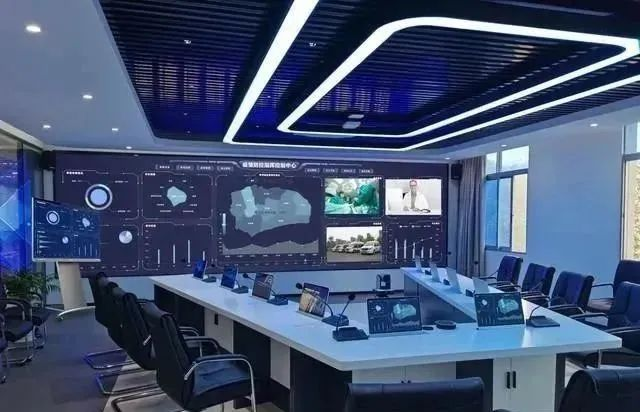
The continuous development of the narrow pixel pitch LED display market has taken GOB technology to the next level. Each LED bead or chip in fine pitch LED display screens is spaced closer together and more densely throughout the PCB. The display industry of today has made it possible to produce LED screens with pixel pitches less than 1mm and pixel pitches between P1.2 and P2.5 are already in mass production.

The tiny LED beads and LED chips are easily damaged during shipment, installation, and operation with such a small pixel pitch. GOB LED display technology is the perfect solution to this problem, as the glue on the board protects the LED beads or ships well, which can be used for smaller pixel pitch LED display screens.

会议室用小间距 LED 屏幕

With the aid of cutting-edge GOB LED display technology, RIGARD, a specialist in fine pitch LED display solutions, has been able to produce and manufacture LED display screens with smaller pixel pitches, such as P1.2 LED displays. In fact, we provide P1.2, P1.5, P1.8, and P2.5 LED displays for indoor and outdoor UHD applications, depending on the various needs of our users, which are intended to give your audience a dazzling visual feast and significantly advance your business.

  1. Rental LED Screens

The rental LED screens that are set up on the stage require regular installation, disassembly, packaging, and movement, as we are all aware. In this case, it is challenging to prevent damage to the LED lights from unintentional impacts, even with the highest quality and most expensive LED display screens. It also raises maintenance costs because they need frequent repairs if damaged. However, with GOB LED display technology, Rental LED display screens can be well-protected and maintenance expenses can be reduced.

RIGARD is a reputable name in rental LED screens as well as a full-service provider of LED display solutions. With GOB display technology, our P1.5, P2.6, and P2.9 LED displays have successfully delivered flawless image displays for thousands of stage displays around the world, resulting in effective cost savings and business growth.

  1. Transparent LED Screens

In commercial settings like retail stores, malls, and nightclubs, transparent LED display screens are becoming more and more common. Transparent displays utilize extremely small PCBs in order to achieve high transparency while keeping high resolution, making the lamps and PCBs exceedingly brittle and susceptible to damage. GOB display technology provides protection for the entire hollow module of transparent LED screens, lowering the chance that the screen would be damaged in a collision. 

  1. Flexible LED Screens

Today, a variety of curved and cylindrical LED video walls are produced using flexible LED screens. GOB LED display technology can boost the reliability of flexible LED display screens by shielding them from moisture damage and scratches, even if the installation is often fixed.

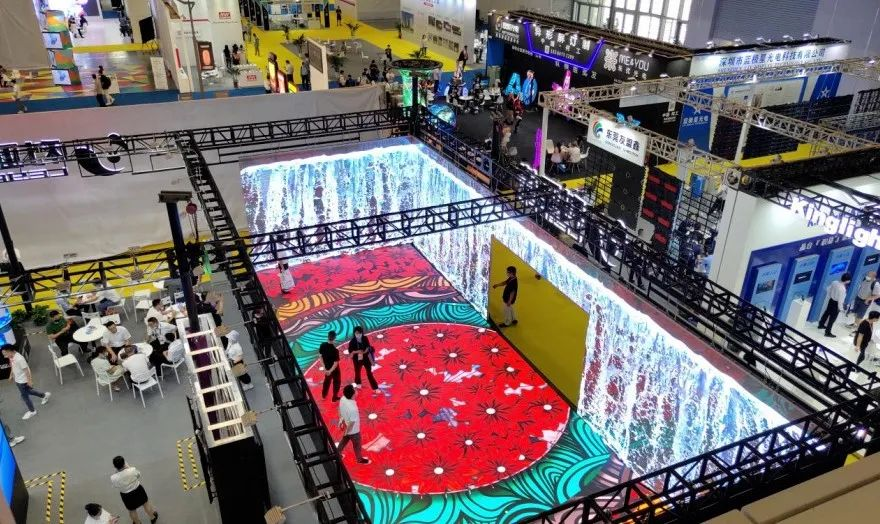
  1. Floor LED Screens 

Typically, there is a layer of acrylic cover on the surface of floor LED screens for interactivity to prevent stepping on. However, the acrylic cover has poor light transmission, which has an impact on the visual effect. The floor LED display can be best protected from being trodden on by GOB display technology, which not only offers greater light transmission and visual effect but also has waterproof, shockproof, and dustproof features. 

On the other hand, there are gaps between the LED beads, the traditional floor LED for interactivity will show grainy pixel dots, which negatively affects the interactive experience. By changing the display screen from a point light source to a surface light source, GOB LED display screen may produce a more uniform luminescence, UHD display, and wider viewing angle.

  1. Irregularly shaped LED Screens

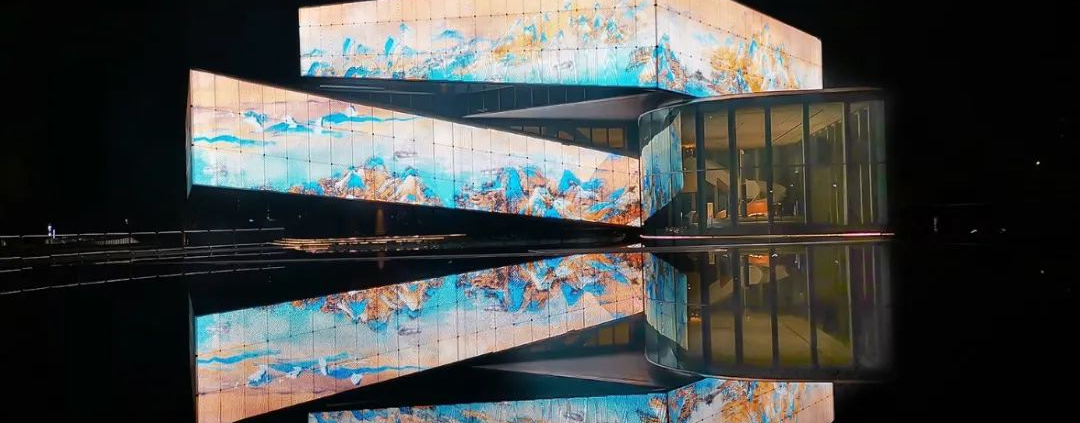
An irregular shape of the LED display screen is typically needed to build a special ambiance in clubs, pubs, casinos, and other locations. These locations are packed though, so collisions, spilling food or drinks on the display screens are bound to happen, all of which could harm the LED display screen. Due to its shock, water, and moisture-resistant properties, GOB LED display technology shields irregularly shaped LED displays from potential harm brought on by pressure, water, food, etc.

As an innovative LED packaging technology, GOB LED display breaks the barrier of traditional SMD LED display and adds more vitality to the LED display market by virtue of lower cost than COB LED display towards smaller pitch display.

If you are looking for small pitch LED displays encapsulated by GOB technology, do not hesitate to contact RIGARD. As an expert in LED screen technology and integrated LED solutions, RIGARD keeps up with the industry trend and masters the most cutting-edge GOB LED display technology to break through the technical barriers of fine pitch LED display screens in order to help your business development.

LED Screens for Esports Events

in /by

The integration of pop culture, global investors, brands, live streaming and social sharing has driven the explosive growth of the esports industry. Various esports games have then gradually established league mechanisms, bringing new market opportunities for other industries.

Among them, esports live streaming, as one of the most important parts of esports events, has guided a new direction for the LED display screen industry and promoted the development of esports LED displays.

With the inclusion of esports in the 2022 Asian Games in Hangzhou, LED display screens have an unparalleled advantage in esports live streaming thanks to their ultra-high definition, 5G + 8K, multi-screen interactivity, and other technology support.

In order to allow fans from any angle to enjoy the high-definition visual and fully experience the esports competition, the Hangzhou Asian Games Electronic Competition Venues installed 15 huge high-definition LED display screens for real-time live broadcast.

LCD vs LED vs OLED Screens for Esports

Since the presentation of real-time game images is the main focus of the display requirements in gaming competitions, there are tight criteria for the size and instant response of the display screen. More than that, in order to show the audience every aspect of the fight process, a huge screen with high brightness, contrast, and color saturation is also required.

LED, LCD, and OLED are the three most common display types on the market today. Despite having the finest image quality, OLED screens are too expensive for use in widespread commercial applications. As the most primitive display technology, LCD screens fall short of LED screens in terms of brightness, clarity, contrast, and endurance.

An ideal option for esports events is an LED display screen. They have high refresh rates, high definition, high contrast, and they can combine with high dynamic, high frame rate, and 3D virtual reality to achieve an immersive viewing experience. LED display screens are good at showing the audience synchronization of every detail in esports. Additionally, LEDs can precisely show the stunning visual effects of the game world because it has brightness and contrast on par with or even better than OLED.

Where is the LED Screen for Esports Applied?

The building of the tournament venue is obviously crucial given that the esports game is recognized as an international event. Each esports venue will be equipped with large esport LED screens.

According to the Esports Venue Construction Standards released by the China Stadium Association in 2017, esports venues are divided into four levels: A, B, C and D, and esports venues above the C level must be equipped with LED display screens. The standard also specifies that the venues should comprise at least one primary screen and numerous subsidiary screens to ensure that the audience can watch comfortably from all angles under normal circumstances.

Technical Requirements for LED Screens for Esports

As with conventional sports events, the emphasis of esports competition is live gaming and huge screen viewing. LED screens for esports in real-time presentation, network information dissemination, and ultra-high definition display, however, have more demanding technical requirements than those for general sports events.

1. Low latency, high frame rate and high refresh rate

In contrast to other display technologies, the LED screens for esports must broadcast the game screens in real time with a very low latency in order to fully immerse the audience in the intense action. To enable real-time flawless synchronization without scan lines and lagging, the delay at the receiving end of the LED display screen should be less than 2 frames.
On top of that, LED screens for esports require nanosecond screen response time, high frame rate of 144fps, and high refresh rate of at least 3,840Hz to guarantee a consistent viewing experience for both online and offline viewers. If the screen response time has a delay of 3-5 milliseconds, there are heavy shadows and trailing when playing intense sports visuals, greatly affecting the viewing experience of the audience.

2. Ultra high definition (UHD)

The most fundamental demand for LED display screens across all businesses is now HD display. However, HD display is crucial during an esports competition since it makes it easier for players and spectators to see every detail of the game, including fine textures, small symbols, and text.

High-definition displays for esports contests are now feasible thanks to advancements in fine pitch LED display technology. The smaller the pixel pitch a LED screen for esports has, the more LED pixels work on the LED module to produce HD images. For instance, a P1.8 LED display has at least 284,444 pixels square meters to produce high-definition images.

3. High brightness, high contrast and high grayscale

Since esports events are frequently hosted indoors, there will inevitably be intense stage lighting. As a result, the esports LED screens must feature high brightness, high contrast, and high grayscale in order to completely restore the original color of the source image and display as many details as possible for each game frame.

To further enhance image quality, this necessitates LED screens for esports to additionally support HDR10. With HDR10, you can distinguish a wider range of colors and depth between lighter and darker tones. HDR10 technology also combines the effects of dimming and altering brightness levels to produce game images at the greatest nits levels in addition to balancing color and contrast.

4. Large size and wide angle

As opposed to traditional sports competitions, what draws the audience’s attention is the exciting screen feedback during games, not the player’s action scenario. Therefore, the size of the LED screens for esports must be large enough, and the four side viewing screens must be very simple to construct. This necessitates flexible installation capabilities and seamless splicing in the esports LED displays.

Furthermore, the LED screens for esports need to have a wide angle so that everyone in the stadium can see the image on the screen well. The LED display screens that have a 160° horizontal viewing angle and a 140° vertical viewing angle can dramatically enhance the viewing experience for audiences in various locations on the scene.

5. Wide color gamut

The vibrant nature of the gaming industry further raises expectations for the color display capabilities of LED display screens. Wide Color Gamut is also required for LED screens for esports in order to enhance color accuracy and bring each game character to life for the audience.

6. Extremely high stability

The Actions per minute (APM) of professional gaming players can be more than 300 times, and some even more than 500 times. Therefore, the esports LED screens need to be highly stable and durable. To avoid negative influence on participants and the audience’s viewing experience, the esports LED display cannot flicker or go out or in other unexpected circumstances while there is a live broadcast.

RIGARD LED Screens for Esports

As a reputable manufacturer of LED display screens, RIGARD is dedicated to enhancing your LED displays for gaming applications through innovative display technology. Since we are experts in the fine pitch LED display technology, we can provide you with a variety of high definition LED display solutions based on your unique needs.

RIGARD P1.9 LED display, with a pixel pitch of 1.9 mm, is crucial in producing the sharp, detailed images required for esports competitions. With such a small pixel pitch, images appear exceptionally clear and detailed even at close look. Moreover, the high resolution of RIGARD P1.9 LED display enables it to render graphics and video in Ultra High Definition (UHD) or 4K resolution, giving viewers a more lifelike viewing experience.

Another key feature of RIGARD LED screens for esports is the high refresh rate and low latency. Our P1.9 LED display has a refresh rate of up to 7,680Hz and a screen response time in the nanosecond range, much higher than other LED screens, helping to minimize latency, blurring and other motion artifacts.

One of the most significant advantages of RIGARD P1.9 LED display is that it has standard color accuracy, up to 1000 nits brightness and a high gray scale of 16 bits. Our LED display screens producing more vivid and realistic colors, is the best choice for esports LED screens to give your audiences an immersive viewing experience.

Apart from that, RIGARD LED screens for esports can be installed via modular splicing, enabling them to be set up in a number of forms and sizes to accommodate various locations and event types. They are simple to assemble and disassemble due to its lightweight construction.

In short, the high refresh rate, low latency, high brightness, high contrast ratio, color accuracy and flexible installation make RIGARD P1.9 LED displays ideal for a variety of esports events, from small tournaments to large events with thousands of participants.

Outdoor LED Display Solution: P1.5 and P1.8 LED Display

in /by

As the pandemic begins to wane, more and more outdoor activities are being done one after another, which is causing the outdoor display industry to once again see a resurgence. Since fine pixel pitch LED display is the current display technology, outdoor LED displays are gradually progressing toward ultra-high definition and multi-value added features.

The pixel pitch, or how closely the tiny light-emitting pixels can be arranged on the LED display, has become a major topic of discussion in recent years when it comes to high-definition displays for outdoor LED screens.

What is Pixel Pitch?

Pixel pitch describes the density of each tiny LED pixel on an LED display and is the vertical and horizontal distance between the center points of each LED pixel. Pixel pitch is sometimes referred to as pitch or dot pitch, abbreviated as “P” and measured in millimeters. Thus a P1.0 LED display denotes an LED display with an LED pixel pitch of 1 mm.

The fixed-size circuit boards and backplanes sequentially mounted with LED beads are called LED modules. These LED modules are seamlessly stitched and stacked together to form a large indoor or outdoor LED wall.

Pixel pitch is important because it affects the visual quality of the outdoor display. Since pixel pitch represents the amount of space between two pixels, a smaller pixel pitch indicates less white space between pixels, which equates to higher pixel density and higher screen resolution.

Images can have smoother edges and better detail thanks to higher pixel density and screen resolution. It allows the viewers to get closer to the screen and yet enjoy a high definition image without the distraction of identifying individual split pixels.

Development of Outdoor LED Display

In Past years, the development of LED screens accelerated. At the moment, LED inline lights hold the top spot in the market for outdoor LED displays. The special nature of the straight plug itself determines the large point spacing between the LED lights, typically 4 mm, 5 mm or even larger.

The first outdoor LED displays to hit the market were for huge billboards in shopping malls and on highways. The visuals on the screens looked fantastic from hundreds of feet away, but when you approached close, the text and photos looked horrible.

People are increasingly expecting to see the image of a direct-view LED display up close as outdoor LED screens are used more frequently. The demand for high-definition viewing effects has led to the trend of pixel pitch of outdoor LED displays downsizing. Therefore, the space is getting smaller and smaller as LED technology develops and manufacturing techniques improve.

The pixel pitch of outdoor LED screens, LED advertising screens, and outdoor LED signs has gradually decreased from P10 to P3, P2.5, and is now capable of P1.8 and P1.5.

● P1.5 LED Display

P1.5 LED display refers to the LED module in the LED pixel pitch of 1.5mm, pixel density of up to 444,444 per square meters and the minimum viewing distance of 1.5 meters.

● P1.8 LED Display

P1.8 LED display refers to the LED module in the LED pixel pitch of 1.8mm, pixel density of 288,906 per square meters, and the minimum viewing distance of 1.8 meters.

P1.5 LED displays and P1.8 LED displays provide more pixels to form an image on the display for spectacular high definition image quality when compared to P20 and P16 LED displays. P1.5 LED displays feature a closer ideal viewing distance and greater resolution as a result.

Additionally, the narrow pixel pitch LED display technology, represented by P1.8 and P1.5 LED displays, is renowned for its great brightness, energy efficiency, and extended life. Wider viewing angles are also made possible by this technology, allowing images to be clearly seen from farther away or from a variety of angles. Narrow pixel pitch LED display screen also provides a larger color range and higher brightness.

Fine pixel outdoor LED displays are now widely used in applications where people can see the screen up close, such as advertising in airports and rail terminals, seamless LED video wall centers in control and operations rooms, and in parking lots of public and private buildings.

RIGARD Narrow Pixel Outdoor LED Displays

RIGARD has overcome the technological barrier and achieved a reduced pixel pitch of P1.8 and P1.5 for outdoor LED display, while the pixel pitch of the majority of present outdoor LED screens can only accomplish P2.5.

1. Superior Image Quality

As more and more businesses turn to outdoor LED displays to enhance the customer experience, RIGARD’s P1.5 LED displays and P1.8 LED displays offer the ideal combination of superior image quality and intuitive ease of use. We use video processing technology combined with high dynamic range (HDR) image optimization to add clarity and detail to the presentation of featured content, providing your audiences with more realistic and memorable content.

2. High Definition Image Display

RIGARD’s P1.5 LED displays and P1.8 LED displays feature refresh rates up to 3840 Hz and brightness levels up to 4000 nits. By using custom algorithms to analyze and optimize brightness levels in each content scene, our narrow pixel outdoor LED display screens provide you with bright and high-definition image displays.

3. Accurate Color Representation

Low grayscale levels on conventional LED displays make it difficult to represent red, green, and blue colors properly and without artifacts. RIGARD, however, overcomes these difficulties with the outstanding outdoor LED display technology, which boosts image color fidelity by keeping constant R/G/B levels. As a result, even in low-light settings like outdoor stage LED displays at night, our P1.5 LED displays and P1.8 LED displays can display content in the best quality with consistent and accurate color performance.

4. Flexible Installation

RIGARD’s outdoor display screens have a compact design with a 45° angle for high-precision stitching for more installation freedom. With no need for aisle space, our P1.5 and P1.8 LED displays provide full frontal access to important signage components, while complementing back access makes maintenance simpler and quicker.

5. Durable Performance

Outdoor LED displays are subject to stricter environmental adaptation standards than indoor displays. The P1.5 and P1.8 LED displays from RIGARD include high-performance silicone lamp faces that are waterproof on both sides. It can withstand moisture and salt spray even in hostile environments, extending the service life. To further guarantee that the narrow pixel pitch outdoor LED screens can function correctly in all usage circumstances, we will conduct extensive high and low temperature tests as well as salt spray tests before they are sent out for display applications in unique geographic regions.

There are more chances than ever for high-definition LED displays to offer an engaging visual experience when people are outdoors, whether it be LED scoreboards and stage backdrops or LED advertising billboards and traffic signs. And RIGARD narrow pixel pitch outdoor LED display solutions are made to suit your requirements.

How to Choose the Best LED Display Manufacturer?

in /by

LED display technology has matured to become the display solution of choice for a variety of industries including entertainment, sports, education, broadcasting and advertising. If deployed properly, LED display screens will attract a steady stream of target audiences for you and serve as an effective tool to drive your business forward. But all of this is possible only if you find the best LED display manufacturer.

Choosing the best LED display manufacturer is challenging because it requires you to spend more time on the quality of the product and the professionalism of the manufacturer. We will cover the most comprehensive guide on how to choose the best LED screen manufacturer in this article, and hopefully you will get substantial help in this matter.

How to Choose the Best LED Display Manufacturer?

Here are some of the factors you need to consider when choosing the best LED screen manufacturer.

1. Focus on the Quality of LED Display Screens

Product quality, from the aesthetics of the LED screen to the technical requirements for a safe display, is the primary consideration when you choose an LED display supplier. Visual effect is often one of the important indicators of the quality of LED displays. Regardless of the application of LED display screens, you should visit the factory or request samples to ensure they have high brightness, high gray level, high refresh rate, high definition and wide angle. This is all to provide the ultimate visual experience to your target users.

It is especially important to ensure that the LED screen manufacturer uses quality materials and components so that the longevity and reliability of the LED display panels can be guaranteed. Therefore, to avoid falling into every little technical flaw, you should choose a professional LED display manufacturer whose expertise can ensure product quality and safe display while meeting aesthetic needs.

2. Compliance with Specific Safety Standards

A good way to determine whether to include an LED display manufacturer on your shortlist is to know if they meet specific safety standards for the LED display industry. Some of the safety standards for LED displays include, but are not limited to, EMC, ETL, CCC, CE, FCC, RoHS, etc. When an LED display supplier strictly meets these production standards, the quality and safety of the LED display panels they produce are guaranteed. It can go a long way in helping you reduce uncertainties such as product technical failures and defects.

3. Extensive LED Display Manufacturing Experience

Another way to know if an LED display supplier is the best is to research whether the company has years of LED display manufacturing experience, which can be done by looking at the time of establishment and successful project experience.

A manufacturer with extensive display manufacturing experience must have a successful project history and display expertise. Experience and expertise are particularly important requirements when your digital display project requires specialized design. This is because an LED screen manufacturer with specialized display knowledge can critically analyze your project and can provide creative LED solutions based on your individual needs.

In addition, a manufacturer with extensive experience in display manufacturing is bound to have a good reputation in the industry. Asking industry professionals about the experience and reputation of your candidate LED display supplier can help you avoid the safety concerns and functional risks associated with inferior products and poor design.

4. Consider the LED Display Screen Cost

LED displays are not simply a one-time purchase; they involve customization, design, manufacturing, testing, shipping, installation and other aspects. Therefore, the cost of a high quality LED display that can contribute to the growth of your business will not be very low.

When choosing a LED display supplier, it is recommended to know the display market in advance and not to sacrifice quality for lower cost. Low-priced LED displays sacrifice the quality and performance of LED screen panels, and will be much less bright in terms of display brightness, clarity and contrast. Instead, it is wise of you to set the budget and choose an LED display manufacturer that balances affordability and quality.

5. Availability of Customization Options

You will always have display projects that require different design requirements. Whether it is an outdoor 3D LED display or an indoor interactive floor LED display, you will need to customize the design for different scenarios and display purposes. When looking for the best LED display manufacturer, advance the priority of the manufacturer who can offer customization possibilities to meet your needs. This will allow you to design the LED display that best suits your brand, message and target market.

6. Availability of After-sales Support

After-sales support is one of the key factors to consider when choosing the best LED display manufacturer. Check if they have a dedicated technical support team to provide adequate support for the installation, training and maintenance of the LED display screens.

Why Should You Choose RIGARD LED?

RIGARD LED is an international LED screen manufacturer offering design, production and distribution services for all types of LED displays and visualization products. We have gained significant market share in the field of narrow pixel pitch LED displays. RIGARD has always known that high quality and unparalleled customer service is the key to turning short-term contacts into long-term partnerships. Our LED display screens give you an overwhelming competitive advantage and promote your business for life by working together.

1. High Quality and Versatile LED Displays

RIGARD refuses to compromise on low quality LED display screens, but takes every possible step to exceed your expectations. Our LED display solutions include full color indoor LED displays, outdoor LED displays, digital LED display boards, flexible LED screens, transparent LED screens, stadium LED screens, etc.

RIGARD insists on using die-cast aluminum as the main material of LED panels to ensure the high quality and superior performance of each LED screen. Even in intense outdoor sports, RIGARD LED displays are crash-proof, waterproof and heat resistant.

Rather than being your one-time purchase, RIGARD LED displays offer an industry standard of 100,000 hour half-life, which means you can run your LED display screen at full brightness 24 hours a day, 7 days a week for over a decade. Not only that, but the ultimate 0.9mm pixel pitch, refresh rate of up to 3840 Hz and brightness of 1000 nits provide your target audiences with ultra high definition content display.

2. Rich Experience in LED Display Manufacturing

Since entering the LED display industry in 2013, RIGARD has been dedicated to the production and manufacturing of LED display panels in a very professional manner. RIGARD LED displays have been all over the world, completing several LED display projects that have been highly recognized by our customers.

For example, in South Africa, we provided 1.8 pixel pitch indoor LED displays for TV studios to enable high definition TV transmissions. In Oman Stadium, our stadium perimeter LED display for the stadium contributed to the smooth running of the game due to its excellent anti-collision and waterproof performance. In the US, RIGARD’s church LED display screens deliver superior detailed visuals due to industry-leading small pixel pitch technology.

After several successful LED display projects, RIGARD has accumulated a wealth of experience and display expertise in LED display manufacturing to provide you with incredible custom LED displays.

3. Passed Professional Certification Inspection

As a trusted LED display supplier, RIGARD is an industry leader in compliance with TUV, EMC, CE, RoHS standard certifications to ensure that the LED display solutions you invest in are safe and reliable. We strictly enforce IQC, IPQC, QC, CFQC, QA in every aspect of our process quality control engineering and supply chain management. Due to the strict requirements on product quality, RIGARD has already enjoyed high customer satisfaction and loyalty worldwide.

4. Customized Display Solutions Available

RIGARD not only provides LED displays that balance affordability and high quality, but also offers custom LED display solutions to meet your needs. With several successful LED display projects around the world, we are able to provide one-stop customization services for simple to complex LED display projects. With years of experience in LED display manufacturing, RIGARD is able to analyze your display project with a professional perspective and give useful suggestions to your LED display designs that go beyond the status quo.

5. Perfect After-sales Service

RIGARD has an independent LED display manufacturing team, design team, and is equipped with efficient inventory management and perfect logistics service. In addition to guaranteeing the delivery time of our LED displays, we also provide you with extensive support, such as after-sales maintenance, free technical resources, 24/7 remote online service and even on-site support. When you need it, we are always ready to provide you with an excellent customer experience.

RIGARD can meet all your LED display needs with a customization service no matter how big or small your display projects are. With our creativity, innovative spirit and constant research into new technology opportunities in the LED display industry, we know we are the right LED display supplier for you.

Stadium LED Screens in the World Cup

in /by

Stadium LED screens and display control systems have become the primary display solution for many international stadiums as a result of the change and improvement of display technology and stadiums. From the Olympic Games and World Cup to the Super Bowl, stadium LED screens are the main means for fans to acquire information and interact with the game. They are also an essential window for international businesses to present their image on the field.

The role played by stadium LED displays in major sports events is self-evident. But do you already know where LED display screens will be applied to sports events? We are going to take the Qatar World Cup as an example to talk about the application and technical specifications of the stadium LED screens in this article.

LED Screens in the Opening Ceremony

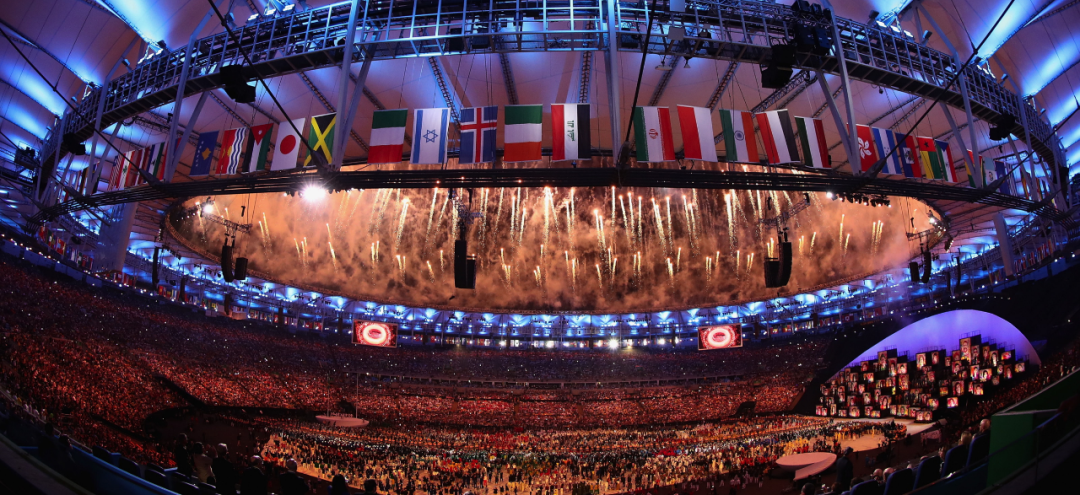
The opening ceremony, which is often held in the major stadium, is an integral feature of many international events. Two large LED screens with a combined area of 70.78 m² were unveiled on the 190,000 square meter Lusail Stadium for the Qatar World Cup opening ceremony. These two stadium LED screens provide an immersive live music atmosphere with ultra-high-definition visuals and bright soft hues, complementing the performances of Bollywood’s most popular vocalist Sunidhi Chauhan and other superstars, delivering a passionate creative feast to the audience.

Due to the large footprint of the main stadium, the stadium LED display for the World Cup opening ceremony must have high definition, high resolution, high brightness, high refresh rate, and wide angle in order to allow more viewers to clearly see the content on the screen from multiple angles.

LED Scoreboard

The LED scoreboard is usually made up of multiple small LED panels stitched together to record information such as the time remaining in the game, the scores of both teams, and slow-motion replays. LED scoreboard is a type of stadium LED screen with the advantages of self-illumination, high brightness, wide viewing angle and high definition. To guarantee that viewers in any position won’t miss every thrilling shot of the live game, it can either broadcast the entire image or divide it into different windows. At the same time, with high contrast ratio, high refresh rate and high color reproduction, the LED scoreboard can really synchronize the game and attract potential sponsors.

The LED scoreboard used at Qatar World Cup must have improved heat dissipation and increased brightness due to the country’s high temperatures and intense sunlight. The stadium LED displays used for the LED scoreboard also need built-in driver ICs and chips to achieve intelligent remote control of playback, replay, interactive, and other display systems during the event.

Perimeter LED Display

The stadium LED screen around the stadium is a perimeter LED display, mostly used to play back game highlights and broadcast commercial advertisements. Considering the powerful impact during the game, the stadium perimeter LED display must be impact resistant, shock resistant and cut resistant.

However, there are many specifications for the stadium LED screens that are employed because of the uniqueness of the location and the environment of the tournament venue. The stadium perimeter LED display must also have a high heat dissipation and high brightness features due to Qatar’s extremely dry climate and high temperatures.

LED Screen in TV & Broadcasting

The coverage of all the thrilling Qatar World Cup activities relies heavily on the TV studio. A massive curved LED screen made out of 23 sets of rectangular LED modules serves as a backdrop adapted to the semi-ring-shaped studio walls. There are other three curved LED screens that can be moved and combined presenting in the TV studio. To increase filming versatility, staff can make the three curved LED screens move along the ground track and seamlessly splice into a complete LED screen wall.

The TV studio LED display screens must have high dynamic range characteristics and strong consistency in terms of brightness and color in order to fully meet the picture display requirements of the TV studio. This can make the details in the program’s bright and dark areas stay vivid after more than 10 hours of live broadcasting. In addition, the phenomenon of scan lines can no longer appear when filming with a HD camera on LED TV screens with high refresh rates of up to 3840Hz.

LED screens for TV & broadcasting typically employ narrow-pitch LED screens since the televised visuals of large sporting events must match the technical quality criteria of high-definition program recording. In order to provide viewers in front of the TV with the finest possible viewing of film and television effects, high-density LED beads are positioned such that there is no sense of grain when looking at close range.

Outdoor LED Display Board

Sporting events include a huge number of people, making an outdoor digital LED display a necessary piece of equipment. Outdoor LED display boards can be erected at the ticketing center, audience entrance channel, VIP service area, athlete life service area, etc. to show race schedules and other announcements.

High definition, wide angle, high brightness, waterproof, and high temperature resistance are required of outdoor digital LED display panels. Additionally, it ought to feature a built-in driver chip that would enable remote control of the content at any time, improving the experience for the audience as they entered, rested, and left.

LED Light Pole Display Screen

Street lighting has also become an option for major international brands to showcase their brands at international events. 130 of the 320 sets of intelligent street light poles on the 5 km route encircling the main venue of the Qatar World Cup have LED displays installed. The typical dimensions of an LED light pole display screen are 960mm by 1440mm. They have qualities like high definition, high brightness, intelligent remote control, low power consumption, energy conservation, high temperature resistance, waterproof and windproof, etc. LED light pole display screens can integrate the location, the needs of advertising, and add value to the entire project.

Conclusion

LED display screens present high-definition soccer matches for the global fans and insert great influence on the smooth holding of the World Cup. Chinese LED display manufacturers also play a significant role in the Qatar World Cup, undertaking the manufacture and construction of LED stadium screens with a total area of nearly 2,000 square meters. Growing together with the sports industry, Chinese LED display technology has taken a leading position in the world of display technology, continuing to create diverse applications and value for international events.

If you are seeking high-quality stadium LED display solutions for sporting events, RIGARD, a Chinese LED display manufacturer, has a wealth of expertise in this field. We are dedicated to being the top supplier of stadium LED screens around the world.

With a unique structure design, RIGARD Stadium LED display is suitable for a variety of applications, including stadium LED scoreboards, stadium perimeter LED display, TV & broadcasting, and outdoor LED display. By having high definition, high brightness, high refresh rate, intelligent remote control, energy saving, high temperature resistance, waterproof, shock resistance and other characteristics of the stadium LED display, RIGARD saves you more on installation and maintenance costs, thus adding more added value.

A Complete Guide to Floor LED Screens

in /by

LED display screens have always been the first choice for indoor and outdoor content display because of its excellent display and flexible assembly. It is much more revolutionary to combine display and interactivity as a floor LED screen in the process of constant improvement and iteration of LED display technology. Expect the stunning visual effects, the immersive and participatory experience that a LED floor display offers participants is so compelling that an increasing number of cultural events and the entertainment industry opt to use it as their floor display solution.

Floor LED screens are being used increasingly frequently to draw in more target audiences and boost performance as the entertainment industry and cultural performances are booming. You’ve come to the right place if you’ve never heard of LED screen floors. This post will provide you a thorough analysis of floor LED screen solutions so you can apply them to grow your business exponentially.

What is the Floor LED Screen?

Floor LED screens refer to LED panels with extreme load-bearing properties laid on the ground to provide a floor display. The LED screen floor typically has an indefinitely large grid made up of numerous small LED modules. Each LED module contains a rectangular matrix with 32 rows and 16 columns of LEDs. These thousands of LEDs may all be operated separately to produce a wide range of beautiful, moveable, and vibrant patterns.

The visual display on traditional floor LED screens has advanced to an amazing level. In this case, numerous LED screen manufacturers upgrade them into interactive LED floor screens to meet a variety of entertainment purposes by fusing sensor and display technology. Thanks to the sensing technologies, interactive LED floor screens are gradually taking the lead among floor display options by giving participants an outstanding visual and interactive experience.

How Does Interactive LED Floor Screen Work?

With the aid of contemporary technology, interactive LED floor screens can provide stage performances and party entertainment with a more varied and personalized presentation, allowing the audience to experience pleasant surprises. And the primary reason for this effect is that the interactive LED floor screen combines pressure sensors, capacitive sensors, infrared sensors, images and other equipment on the basis of ordinary floor LED screens.

Signal acquisition, signal processing, imaging and interaction make up the core three components of the interactive LED floor screen system’s operation.

Signal Acquisition – When someone moves on the LED floor screen, the infrared sensor, pressure sensor and imaging device of the interactive LED floor display system will work together to capture the movement of the target object in real time.

Signal Processing – The interactive LED floor display system will analyze the captured information in real time and send the generated data back to the master controller and interface with the virtual scene system.

Imaging and Interaction – In this part, the interactive LED floor screen system uses predefined interactive materials, display devices and other auxiliary devices (such as media controllers) to present the animated images at the specific location of the target object after logical judgment. This creates a tightly integrated real-time interactive effect between the participants and the LED screen floor.

What are the Advantages of Floor LED Screens?

RIGARD floor LED screens, which are widely used on stages, concerts, shopping malls and exhibition halls, have incomparable advantages over traditional LED displays and projectors in terms of content display, load-bearing, protective performance and heat dissipation performance.

Powerful Interactivity

The interactive LED floor screen can quickly process data and provide intriguing interactive effects on the movements thanks to the integrated intelligent sensor device. In order to ensure that it only records actual touches and ignores transients like dust, chairs, or other foreign objects, interactive LED floor screens from RIGARD feature hundreds of high-resolution tracking sensors that are calibrated to the floor surface on a regular basis. However, the fun of engaging with the floor is absent for the conventional LED display screens and projectors, which can only play a fixed picture in accordance with the predetermined content to fit the performance.


Powerful Load-bearing Performance

The floor LED screen must have a higher load-bearing capacity than a regular LED display screen because it is mounted on the floor and supports a lot of weight from people and objects. LED screen floor with strong load-bearing performance is the key to ensure user safety and display equipment operation. The maximum load-bearing capacity of RIGARD LED floor displays can reach 2T/m², which readily supports the weight of many people and vehicles.

Excellent Protection Performance

High brightness, wide viewing angle, high temperature resistance and water resistance as the necessary characteristics of traditional LED screen panels provide the best guarantee for content display, and the interactive LED floor screen is no exception.

Based on this, the mask of interactive LED floor screen, which is constructed of highly wear-resistant resin or frosted glass, can successfully serve the purposes of anti-slip, durability, and anti-cutting. Also, the floor-mounted LED display panels are better protected thanks to waterproof rubber rings that surround the mask and bottom case, making them seamlessly assembled.

Easy Installation

The interactive LED floor screen is easy, quick, and flexible to install. As mentioned earlier, an interactive LED screen floor is built utilizing several LED modules. Depending on the size and shape of the venue, you can even create a unique space. The pre-maintenance installation of floor LED screens also enables rapid disassembly and installation of individual LED modules using suction cup tools without removing neighboring LED modules. As a result, installation efficiency is considerably increased and maintenance expenses are decreased.

Application of Floor LED Screens

Floor LED screens are gradually being used in a variety of commercial settings to attract target audiences, thereby promoting growth in performance. This is due to the stunning visual experience and immersive interaction that floor LED screens give in live broadcasts, stage performances, and interactive games.

Stage Performance – Large-scale stage events have become the most common setting for floor LED screens in recent years. The use of stage LED floor screens in stage performances is very impressive. Combined with the performer’s movement and performance content, the dance floor LED display can present a gorgeous animation effect in real time, creating a more fantastic stage effect. At the point where more stage designers are choosing to include the stage backdrop into the LED floor display, floor LED screens have evolved into a vital tool for performers to present breathtaking stage performances and for audiences to enjoy the feast.

Large Shopping Malls – Floor LED screens are a more novel advertising carrier compared to the traditional LED display for advertising at some large malls. Through the intelligent interactive function, it may increase the number of potential consumers to your business. By displaying brand and promotion information, Floor LED screens are also a helpful tool for brand marketing.

Entertainment Venues – LED floor displays can introduce interesting physical games and multiplayer interactive games in entertainment venues like bars, KTVs, and gaming halls. They help to create an exciting entertainment environment, dramatically boost the fun of players, and raise the number of repeat visitors from users.

Exhibition Halls – In some science and technology museums or modern exhibition halls, interactive LED floor screens can help visitors to experience the wonders of technology in an immersive way. In addition, interactive LED floor screens have found more possibilities in the virtual reality world, making them ideal for creating immersive live experiences or realistic remote experiences.

Where to Get High-quality Floor LED Screens?

RIGARD is a specialist in interactive LED floor screens, providing you with customized solutions for interactive floor displays. Our LED display screens are embedded with hundreds of high-resolution sensors that precisely track and capture the movements of target objects on the floor surface. They are automatically calibrated, making interaction a powerful tool for your business to increase.

If you choose RIGARD’s interactive LED floor screens, you won’t have to worry about the load-bearing performance, protection, or installation because the modular installation method increases installation efficiency and lowers maintenance costs; the mask is made of highly wear-resistant resin or frosted glass; and the fastened cabinet support legs enhance the load-bearing and durability.

Nevertheless, RIGARD is happy to support your business expansion by offering a special and seamless interactive LED floor display solution tailored to your requirements, objectives, procedures, and expectations.

What is IMD LED Display and Difference Between IMD and COB Encapsulation?

in /by

In recent years, the popularity of 5G network, the upgrade of digital services, the application of conference visualization, the in-depth practice of smart cities and the continuous expansion of the security monitoring market stimulate the development of HD display market segmentation. HD display, which is being upgraded from 4K display to 8K display, is gradually becoming the development vane of the current display technology.

Small pitch display technology is the key to making this market segmentation with great future possibilities. The current LED display industry has broken through technological innovation and can produce LED displays with pixel pitch less than 10mm. Since its introduction, the small pixel pitch LED video wall has become the most popular display solution in the indoor display market with its advantages of high brightness, high resolution, high gray level and high contrast, widely used in conference rooms, lecture halls, government service centers, etc.

As the size of LEDs gets smaller, the ability to pick up and accurately place it becomes increasingly difficult. The challenges of packaging technology contribute to high cost, making small pixel pitch LED video walls still have a long way to go to achieve mass production. The LED display industry has been looking for newer ways to reduce costs and allow for smaller pixel pitches.

Historically, LEDs were diced from epitaxial wafers, placed in surface-mount packages, wire-bonded at the appropriate location, and encapsulated in epoxy or silicon, which is known as SMD technology. The changes in the way LEDs are packaged can be described as a new packaging technology that packages the LED chip, rather than the LED lamp, directly onto the PCB, known as COB.

In the past few years, SMD and COB technologies have been dominating the small pixel pitch display market. We have also always heard opinions about COB winning over the traditional SMD with various technical advantages. However, to this day we find that the most popular solution for small pixel pitch LED displays represented by P0.9 LED displays is neither SMD nor COB, but IMD.

What is IMD LED Display?

IMD (Integrated Matrix Devices) refers to the packaging of two, four, six or more groups of RGB diodes in a small unit, also known as “N-in-1”. Typical IMD models are generated as 2*2 or 4-in-1 packages, where each 4-in-1 package includes four SMDs and each SMD includes three chips (red, green, and blue).

IMD is an intermediate product between SMD and COB, combining the advantages of both. IMD is a new generation of LED packaging technology that meets the current market demand in terms of both appearance and performance.

Differences between IMD and COB/SMD

Higher reliability and protection performance

LED display screens must be transported over long distances to reach the client, and they will inevitably be bumped during the process of installation to put into use. Therefore, the protection of LED display screens is one of the important factors considered by LED display manufacturers and the rental market. As both IMD and COB are using integrated packaging technology, the hermeticity and reliability have made a qualitative leap compared with the traditional SMD, meeting the requirements of customers at this stage.

Smaller pixel pitch

SMD technology has physical limitations that make it the best solution to produce LED displays with a pixel pitch close to 1.2mm. Further reduction in pixel pitch would result in high costs. IMD technology, on the other hand, can achieve mass production of smaller pixel pitch LED displays, such as P0.8, P0.6, P0.4 LED screens, in a short period of time and at a very low cost.

 More stable color consistency

IMD inherits the long-accumulated sorting technology of SMD, which makes it have good color consistency in display effect compared with current COB, without the problem of poor appearance and lighting uniformity. Although COB has also improved in color consistency, it is not as stable as IMD, and sometimes there are batches of errors. To reduce this risk, COB usually uses fixed chips for chip bonding. However, this approach does not guarantee that the optoelectronic parameters of all LED components are within a reasonable range after repair, which requires engineers to perform point-by-point calibration. As a result, COBs cost more than IMDs to achieve the same level of color consistency.

Lower maintenance costs

Controlling costs to create more value for downstream customers is essential. When a local area of the LED display screen is damaged, LED screen with IMD technology only need to remove a single damaged point for maintenance, while those with COB technology need to remove the entire LED module for maintenance, which undoubtedly increases maintenance costs.

All in all, IMD offers better crash protection and more possibilities for smaller pixel pitches than conventional SMD. Compared with COB, IMD has higher color consistency and lower maintenance cost, especially when only a single diode needs to be repaired. IMD combines the advantages of traditional SMD and COB to properly solve the problems of damage protection, black level consistency, seamless stitching, light leakage, and maintenance. With higher contrast, higher integration, easier maintenance and lower cost, it is the ideal technology for the evolution to finer pitch.

With the above information, you may notice that IMD technology is superior to COB and SMD technology for small pixel pitch LED displays. If you are looking for small pixel pitch LED displays, Mini LED displays, or even Micro LED displays, you can refer to RIGARD’s narrow pixel pitch series. We have a global reputation for gaining significant market share in many types of small pixel LED displays with our mastery of IMD and COB technologies. Need more information about these small pixel pitch LED screens and IMD technology? Contact RIGARD immediately and we will be happy to assist you!

RIGARD ALL-IN-ONE LED Solution for Conference Room

in /by

The display equipment in the meeting room is one of the essential infrastructures for employees to communicate information. In the early days, due to business constraints, projectors were considered the best display solution to create more collaborative and engaging meeting spaces.

However, as business models escalated and international trade took off, it was inevitable that companies would need to hold emergency meetings with colleagues and customers abroad. At year-end conferences, high-definition displays are needed for clear data presentation and annual reporting. Not only that, the no-touch mode advocated by the outbreak of the COVID-19 epidemic has forced industries to accelerate their digital transformation and upgrade. These diverse needs are difficult to achieve with projectors alone. But the rapid development of display technology has led to a variety of integrated display solutions springing up to meet the vast majority of the basic needs of enterprises and accelerate the application of commercial LED display screens in conference rooms.

LED display screens dominate the boardroom application market because of their high brightness, high resolution, and energy efficiency. The LED TV derived from the LED screen, in addition to covering the main advantages of the LED display screen, also has the value-added functions of Internet connection and user interaction experience. It is increasingly favored by corporate directors as the best alternative to projectors.

With insight into the market demand and breakthrough in innovative display technology of small pixel pitch, RIGARD has become one of the leading manufacturers of small pitch LED displays in the industry. Based on the narrow pixel pitch LED screen, RIGARD creates its extended product, a 4K LED TV, to give more energy and features to your conference room. With an industry-leading overwhelming advantage over 100″, RIGARD’s integrated LED solutions are suitable for a variety of large commercial display scenarios, including corporate meeting rooms, academic institutions, etc.

Benefits of RIGARD LED Solution for Conference Rooms

• High brightness

The screen of the 4K LED TV features the latest Mini LED display technology. The LED panel consists of self-illuminating Mini LEDs with a new feature of adaptive light control, allowing the smart TV to better control the halo and upgrade to 14-bit backlighting for more brightness. Even in a bright conference room, the 4K LED TV can clearly present images and data of all sizes to fuel efficient meetings.

• High resolution

In high brightness conditions, users have more stringent requirements for the clarity of the imaging. 4K LED TV generally uses small pitch LED displays, that is, each LED pixel on the panel has a small pitch, so that an LED module can be composed of thousands of pixel dots. The higher the resolution of the display screen, the higher the clarity of the picture. Even when viewing an image on a 4K LED TV at a very close distance, every detail is perfect. Thanks to the wide viewing angle, it has the same impact on the entire room of viewers.

Small pitch technology, driven by the high demand for UHD display and AI+5G technology, has had a strong development in recent years and is expected to move towards an 8K display. In the future, 8K LED TV is expected to replace 4K LED TV to be given more value-added features to further optimize image details and enhance immersive interaction for users.

• High-quality sound system

In fact, the sound system of the projector always makes an exciting and interesting meeting run down because of its noisy fans and unattractive sound. 4K LED TV does not require additional speakers to play dynamic audio, and the embedded surface sound system produces clear and powerful sound, so that even colleagues on the other side of the screen have an immersive experience of the entire meeting. Surround sound and wide-angle viewing mean that participants can participate in any meeting session, even in the largest and most crowded conference rooms.

• Enhanced connectivity

RIGARD’s 4K LED TV offers a variety of features with the ability to facilitate seamless remote collaboration for needs such as video conferencing, screen sharing or presentations. For example, with support for multiple windows in the same frame, colleagues from different branches can be displayed on the screen simultaneously to discuss meeting content in real-time. Convenience is important for conference room displays. RIGARD LED solution can even host multiple data streams at the same time, compatible with a variety of systems and co-sharing across multiple devices such as cell phones, tablets, and PCs.

• Easy installation

The large screen of RIGARD’s 4K LED TV looks glossy and modern in its slim frame and coordinates with a wide range of mounting options and decorations. The ground stacking makes the LED display screen beautiful and airy, while the wall mounting makes it look like a mural, adding artistic beauty to the conference room.

• Easy maintenance

Low cost is one of the most important factors for enterprises to demand integrated LED solutions, and easy-to-manage display devices can save enterprises huge time and labor costs. RIGARD’s 4K LED TV supports installation and maintenance from the front, as well as hot-swapping of individual LED modules, effectively improving the efficiency of maintenance and installation. The RIGARD all-in-one LED solution makes it easy for you to keep the LED displays in top condition.

Even in the midst of the global economic downturn caused by COVID-19, digital transformation across multiple industries, including enterprise, government and education, has not stopped but is accelerating. The global transition to digital and intelligent meeting solutions is already a fact. Thanks to Mini LED technology, integrated LED solutions offer unparalleled visual effects with better color display, higher contrast ratio and refresh rate. In line with this trend, RIGARD LED solution is the best option to empower all types of meeting rooms.

Will Cinema LED Screen Replace Projector into The Theaters?

in /by

The majority of current movies are projection-based, i.e., the projector projects the movie content on the curtain or screen. The curtain directly in front of the viewing area, as the internal hardware setting of the cinema, is the most important factor affecting the viewing experience of audiences. In order to provide audiences with high-definition picture quality and a rich viewing experience, the curtain has undergone an upgrade from the initial simple white cloth to an ordinary screen, giant screen, and even dome and ring screen, with a huge change in picture quality, screen size, and form.

However, as the market becomes more demanding in terms of movie experience and picture quality, projectors are gradually showing their downside. Even we have 4K projectors, they are only capable of achieving HD pictures in the center area of the screen but defocus around the edges. In addition, the projector has a low brightness value, which means that only in a completely dark environment can viewers see the movie. What is worse, the low brightness can easily cause discomfort such as dizziness and eye swelling from prolonged viewing. Furthermore, the immersive visual and sound experience is an important measurement factor for movie viewing, but the sound system of the projector is difficult to meet such high requirements, which urges theaters to purchase a separate stereo system. It undoubtedly increases the cost for theaters.

In fact, the inherent flaws of projection technology have never been solved. Even with the support of laser light source technology, it is difficult to meet the audience’s demanding requirements for ever-increasing picture quality, and the pressure of cost has prompted them to seek new breakthroughs. In this case, Samsung launched the world’s first Cinema LED Screen at CinemaCon Film Expo in March 2017, which heralded the birth of the cinema LED screen, whose advantages happen to cover the shortcomings of traditional movie projection methods. Since then, the launch of the cinema LED screen has been considered a new breakthrough for LED screens into the field of film projection technology.

Features of Cinema LED Screen over Projector’s

Cinema LED screen refers to a huge LED screen made of multiple LED modules stitched together combined with driver ICs and controllers to display perfect black levels, intense brightness, and brilliant colors, bringing audiences an unprecedented way to watch digital cinema. Cinema LED screen has surpassed the traditional screen in some aspects since its launch while overcoming its own problems in the process of entering cinema screening, boosting confidence for LED display suppliers.

• Higher Brightness.

Brightness is one of the biggest advantages of cinema LED displays over projectors. Thanks to self-illuminating LED beads and a peak brightness of 500 nits, the cinema LED screen does not need to be used in a dark environment. Combined with the active light-emitting method and the diffuse reflective design of the surface, the cinema LED screen ensures uniform exposure of the screen surface and consistent display of every aspect of the image, which are the advantages that are difficult to counteract with traditional projection methods. Since cinema LED screens do not require a completely darkened room, it opens new doors for theaters, game rooms, or restaurant theaters to further enrich cinema services.

• Stronger Contrast in Color.

Cinema LED screens not only perform better in non-dark rooms but also produce deeper blacks given the active light-emitting method and compatibility with various HDR technologies to create stronger color contrast and richer color rendering. For projectors, on the other hand, the contrast between color pixels and black pixels is not significant as all projectors shine light onto the screen through the lens.

• High Definition Display.

The rapid development of digital film and television has higher requirements for high-definition displays and innovative displays, while the cinema LED screen is just right to meet this demand. Along with the breakthroughs and innovations in small pitch display technology, small pixel pitch LED displays do have the advantage of allowing 4K content or even 8K content to be played. Moreover, their refresh rate is as high as 3840Hz, making it greater to handle every detail of an image than a projector.

• Support 3D Display.

LED display screen supports the presentation of 3D content, allowing users to watch 3D movies with their naked eyes without the need for specialized 3D glasses. With high brightness and industry-leading 3D stereoscopic depth, LED display screens bring visual detail to the forefront. With cinema LED screens, viewers will see fewer motion artifacts and blur but more vivid and realistic 3D movie content, even at high speeds.

• Longer Lifespan.

It goes without saying that LED screens last up to 100,000 hours, three times longer than projectors, which typically last 20-30,000 hours. It effectively reduces the time and cost of subsequent maintenance. In the long run, cinema LED screens are more cost-effective than projectors.

• Easy to Install and Maintain.

The cinema LED wall is made by stitching multiple LED modules together and it supports installation from the front, which makes the cinema LED screen easier to install and maintain. When an LED module is damaged, it can be replaced individually without dismantling the whole LED display to repair.

The Future of Cinema LED Screens

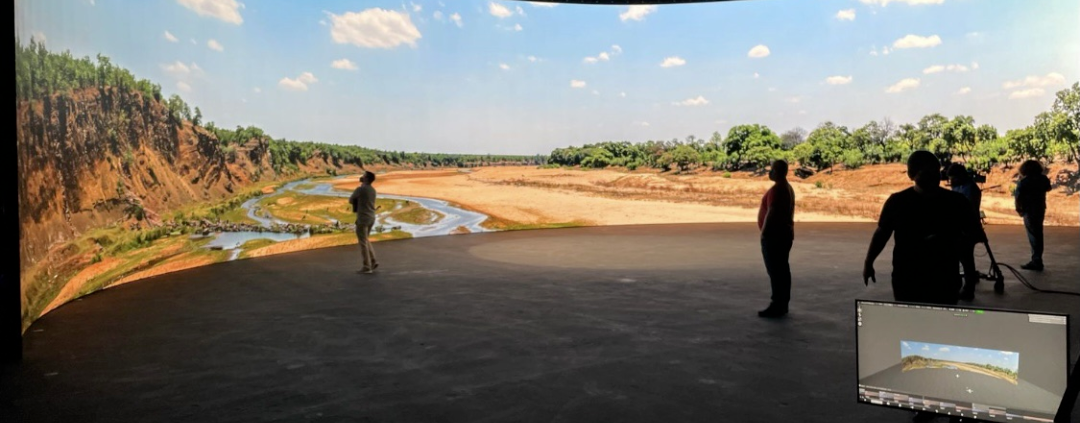
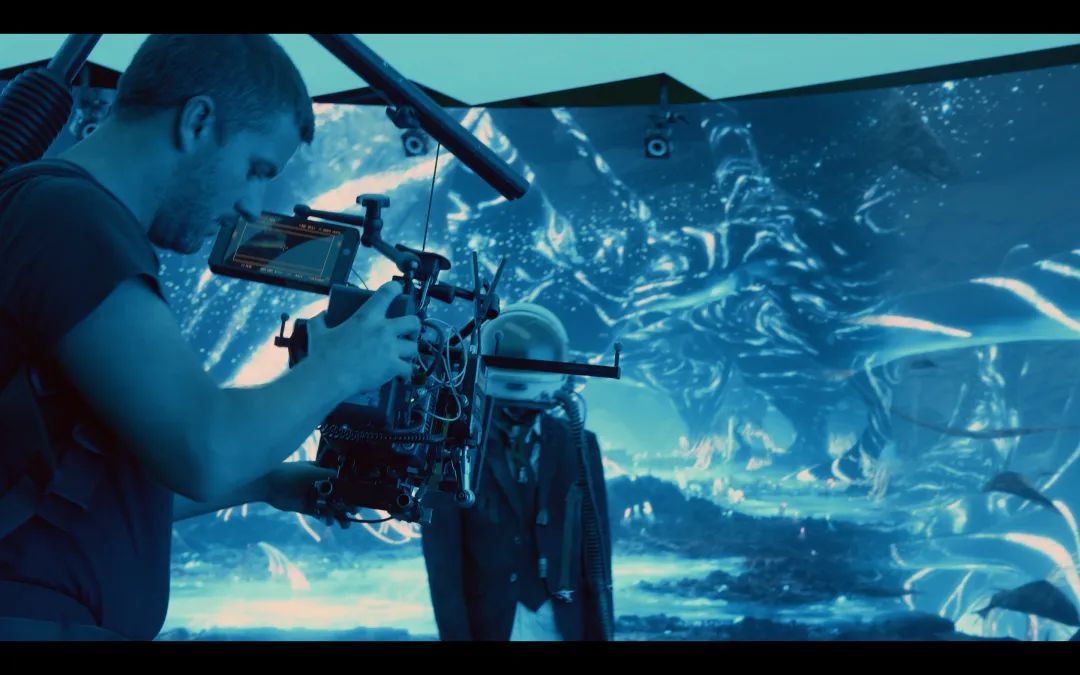
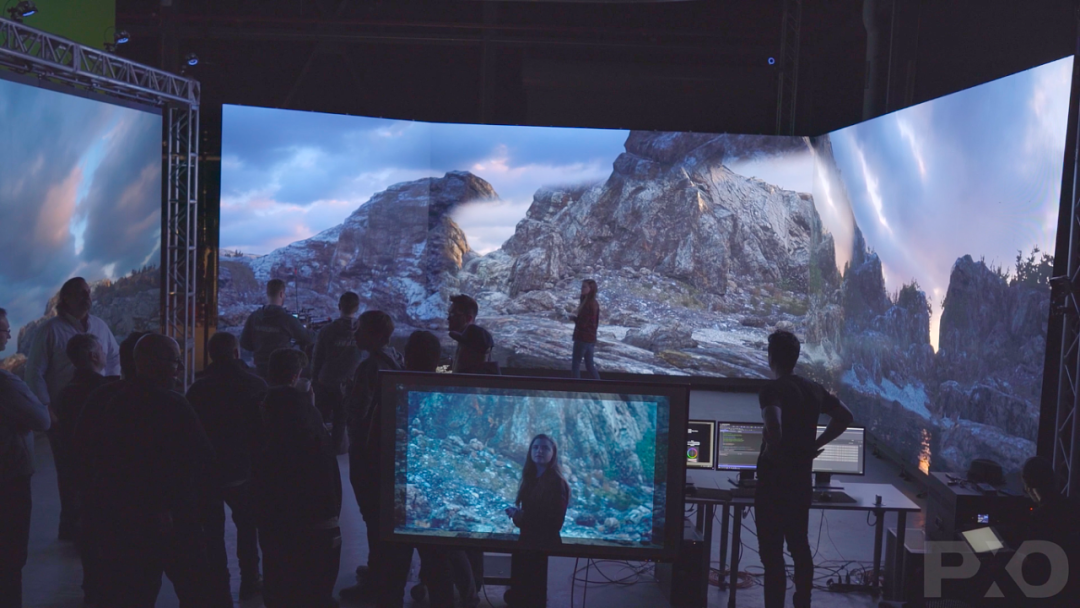
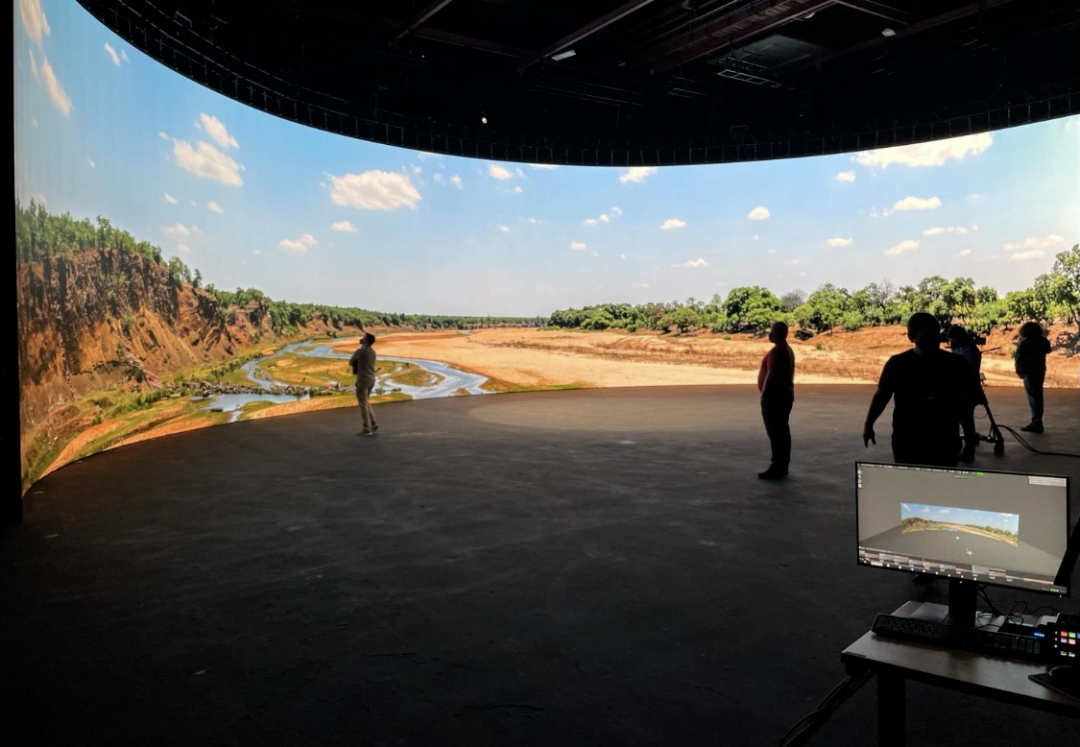
The future development of cinema LED screens does have unlimited prospects, but limited by technical barriers and DCI certification, most LED display manufacturers have failed to enter the cinema market. Nevertheless, XR virtual filming, a hot new market segment in recent years, opens up a new path for LED screen manufacturers to enter the movie market. With the advantages of more HD shooting effects, less post-production, and more virtual scene shooting possibilities than the green screen, virtual production LED wall is favored by directors and has been widely used in film and TV series shooting to replace the green screen. Virtual production LED wall in film and television drama shooting is the application of LED screens in the film industry and facilitates the further promotion of the cinema LED screen.

Moreover, consumers have become accustomed to high resolution, high-quality images and immersive virtual reality on large TVs, and expectations for cinematic visuals are growing. LED display screens that offer 4K resolution, HDR, high brightness levels, and high contrast are the main solution today and in the future.
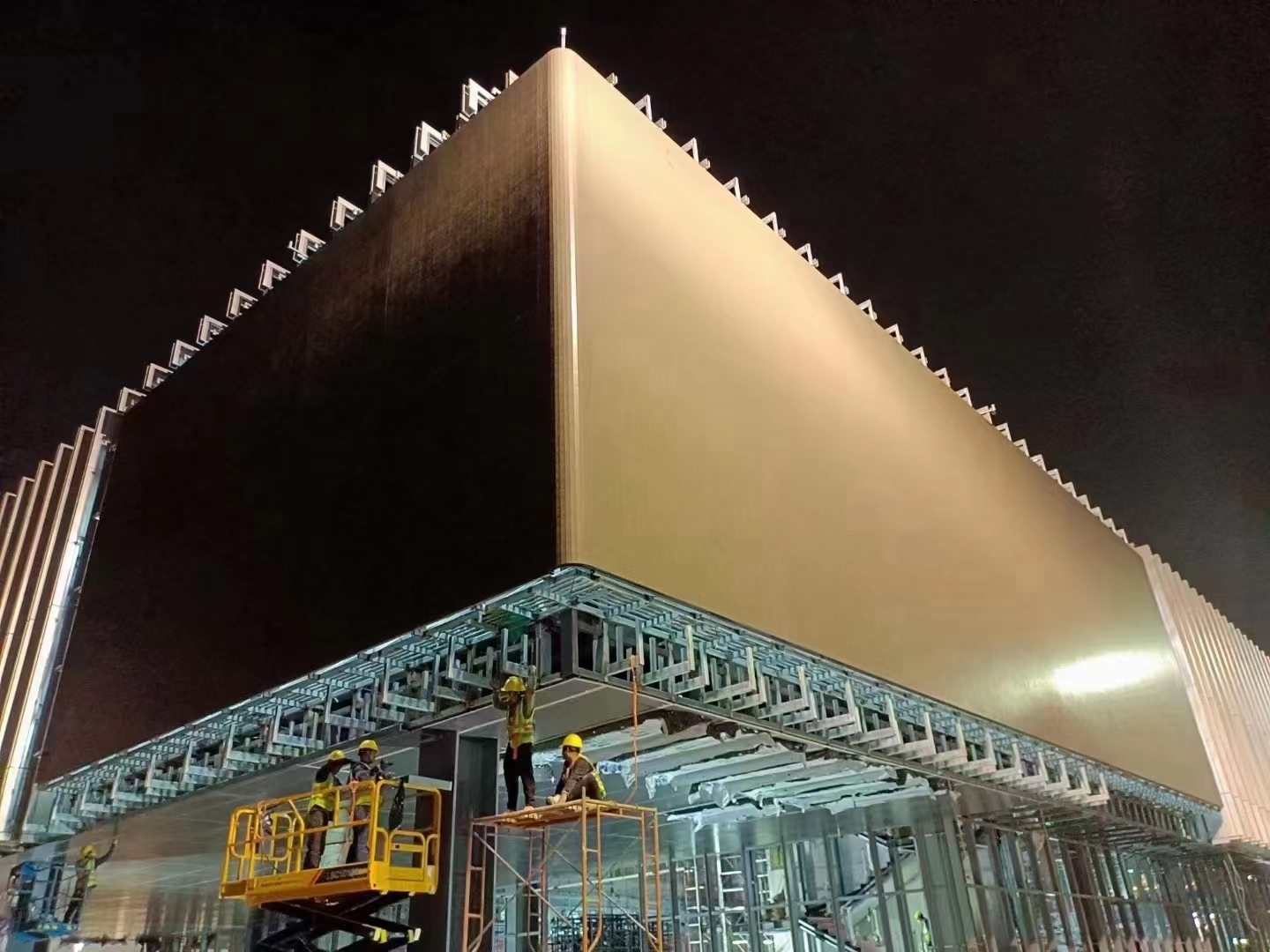
If you are considering investing in an LED display screen for virtual cinematography, RIGARD’s narrow pixel pitch LED screen is the solution to help you achieve your goal. With a high refresh rate of 7680Hz and 4K/8K resolutions, it can produce high-quality video even at low brightness compared to green screens. Some famous screen formats, including 4:3 and 16:9, are easily accessible in RIGARD. If you are looking for a complete video production configuration, or have more questions about cinema LED screens, feel free to contact RIGARD.

Ten Keywords Reveal Future of LED Display Screen in 2022

in /by

LED display screen initially became the most popular advertising carrier for advertisers in the new media era because of its vivid colors and clear images, which provided the audience with stunning visual effects and maximized the commercial value of media advertising. But with the rapid development of science and technology, the traditional media advertising and information dissemination form has not been able to meet people’s needs, and the digital and virtualized industry began to emerge. Therefore, there are huge opportunities and broader business possibilities in the future of the LED display market. This article will walk you through the future trend of LED display screens in 2022 with 10 keywords.

1. 5G+8K
The development and popularity of 5G communication technology have once fueled the heat of discussion in the UHD video industry, especially since 8K display technology has extended rich applications that greatly enhance the sense of immersive experience for audiences, making 8K displays to be the main development direction in the coming years. Some national television broadcasters have also made clear regulations on the display technology of 8K screens. Not only that, in the Opening Ceremony of 2022 Beijing Winter Olympics, China’s National Stadium was customized with the world’s largest LED screen that can present more than 8K resolution, bringing a stunning visual feast to the world through the perfect integration of technology and aesthetics. These have not only pointed out the direction of LED screen panels in the development of the high-definition display industry but also accelerated the transition from 4K screen to 8K screen and the pace of application of 8K screens in all kinds of high-definition display scenes.

2. Mini LED and Micro LED

With the exploration of LED pixel pitch and increasing demand for high-definition displays in recent years, LED screen manufacturers began to explore UHD display effects, which is why Mini LED and Micro LED technology has always occupied a place on the list of hot topics in the past two years. Mini LED refers to the use of LEDs smaller than 0.2 mm to produce light, and Mini LED displays are mostly used for backlight displays mounted on TVs, computers and cell phones, and other screens. For the time being, Mini LED technology has just achieved mass production and requires further development of the application.

Micro LED, being different from Mini LED display, is the evolution of OLED. That is, Micro LED is the use of smaller, brighter single red, green and blue LEDs to emit color light directly. Compared to Mini LED display, Micro LED display is still in the stage of achieving breakthroughs in mass production, and further technical upgrades and improvements are needed for application in the market. However, as the ultimate stage of LED display, Mini LED and Micro LED is the inevitable trend of industry development and will continue to receive industry attention.

3. Naked Eye 3D

Naked eye 3D displays were a hot topic in 2021 due to the incredible visual experience they bring. By integrating LED display screens with city landmark features, naked-eye 3D displays have become a new way for many cities to seek to quickly create new city business cards and promote the recovery of the cultural tourism industry. In addition, the further improvement of flexible LED screens and compatibility of more diverse display materials and content with LED screen panels, many high-end brands and business districts prefer 3D LED screens to expand their brand influence. Undoubtedly, the naked-eye 3D display will become the vane of development of the LED display industry along with the high-definition display.

4. VR/XR Virtual Filming

In the case of repeated epidemics, virtual LED display allows many performing arts, advertising, and other media industries to see the convenience of an LED screen wall in shooting unique environments and more possibilities of application. And virtual production LED wall with its seamless and self-luminous characteristics, can present a realistic and high-definition outdoor environment indoors while eliminating the need for tedious post-production of video, greatly improving the efficiency of filming. It can be foreseeable that the development of the segment of the virtual production LED wall will continue, and the prospects are good.

5. Metaverse

The metaverse and the concept of user-generated content (UGC) have continued to receive widespread attention in the last two years, resulting in accelerated growth in the productions of AR/VR devices. Vuzix, WaveOptics, Xiaomi, and TCL have released commercialized products of Micro LED AR smart glasses. And as more brands launch end-use products, LED display suppliers will also introduce the concept of metaverse in their product concepts and future product planning. There is no doubt that the future scale of the metaverse market will further expand with the development of the high-tech industry and LED display industry.

6. Digitization

The construction of smart cities in recent years continues to promote the digital development of cities in depth. Affected by the COVID-19 epidemic, the no-touch mode makes all industries have to upgrade towards digitalization and wisdom, so digitalization and intelligent empowerment have become an inevitable trend and requirement for the transformation and upgrading of every traditional industry. In addition, with the improvement of small pitch technology, the application of narrow pixel pitch LED display in indoor scenes will get more opportunities under the empowerment and enrichment of information technology. It also further stimulates the process of urban wisdom upgrade and provides more market for LED screen panels.

7. Immersive Experience

The immersive application of LED display screens has become another important label for the application of the display industry. At present, there are increasing numbers of users creating diversified immersive application scenes through LED screen walls to refresh the application form of LED screen, including immersive theater, exhibition, shopping district, and entertainment venues. The immersive application promotes the diversification of the form of leisure places at home and abroad, bringing more fun experiences to people. Not only that, the immersive application of LED display screens is still diffusing to more fields and will bring more display possibilities for people in the future life.

8. Outdoor LED Screen

In order to better disseminate the cultural values of national subjects, UHD 4K/8K content is called for as the main channel and the main force of cultural communication. Many national governments support the establishment of ultra-high-definition 4K screens or 8K screens in cities that are in a position to do so in order to enhance the penetration of the ultra-high definition video industry. The development and implementation of this initiative will greatly promote the development of the outdoor LED display industry. Furthermore, with the deepening emphasis on small LED pixel pitch technology and the addition of HD 4K screens and 8K screens, LED display screens will remain the dominant public large-screen applications for a long time. It effectively promotes the development of the outdoor LED screen.

9. Cinema LED Screen

In the 125 years since the birth of cinema, the projection method has always held a monopoly in the cinema market. But since the world’s first cinema LED screen of Samsung onyx debuted in South Korea in 2017, LED display screens have brought a new era of projection to the film industry. It is predicted that by 2025, of the 20,000 new screens in Chinese cinemas, 2% will be cinema LED screens, and 1% of the 80,000 existing screens will be upgraded to cinema LED screens. It is indisputable that with the maturity of cinema LED screens in standards and technology, the future development of the cinema LED screen market has unlimited imagination.

10. Chip Shortage

Repeated epidemics at home and abroad led the logistics and transportation industry to the dilemma and thus broke out the problem of chip shortage in the LED display industry. Under the wave of global shortage of chips, the LED display industry has also suffered an unprecedented blow, causing the chip prices to climb and production difficulties for some LED screen manufacturers. Many leading LED screen providers began to realize the importance of the chip. In order to alleviate the current dilemma of lack of chips on the LED screen, they began to invest in the domestic chip industry. So far, the plight of LED display manufacturers will be further alleviated, and innovative breakthroughs in the LED display industry will also be facilitated.

Driven by the development trend of the industry and rising consumer demand, LED display screens will be applied to more high-definition display and virtual display scenarios to facilitate brand influence and business promotion further. Therefore, investing in LED screens is a great option with a high-profit return. If you are considering purchasing LED screen panels to expand your business and enhance your brand influence, RIGARD is an option for you.

As a leading LED display manufacturer in China, RIGARD follows the industry trend and is committed to breakthrough technology innovation to provide cost-effective LED display screens. In order to meet the high demand for UHD display and indoor LED display, RIGARD is proficient in the production process of LED pixel pitch, and breakthrough COB technology innovation to provide more narrow pixel pitch LED screens below P1.0. Besides, flexible LED screens, transparent LED screens, 3D display screens, 4K screens, and 8K screens are also available at RIGARD to meet your personalized needs. You are also allowed to customize different LED screen panels according to your brand style and personal taste.

Anyway, if you have more questions and ideas about LED display screens, REGARD welcomes your inquiries.