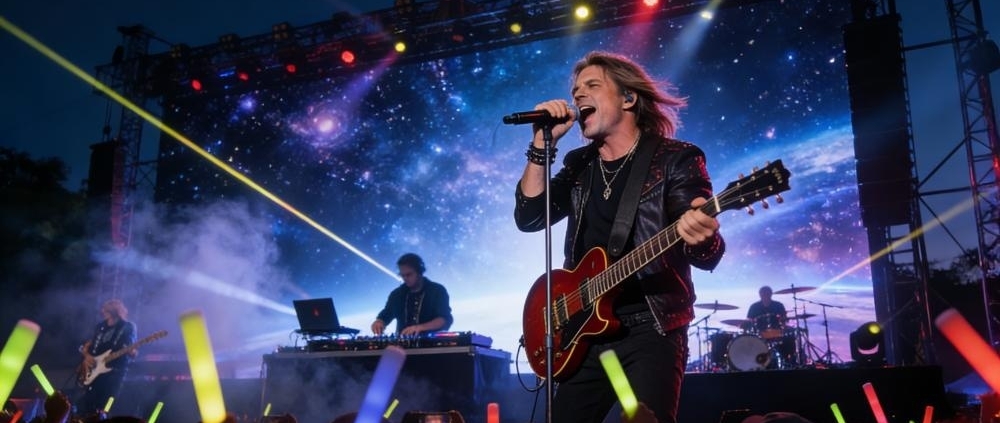
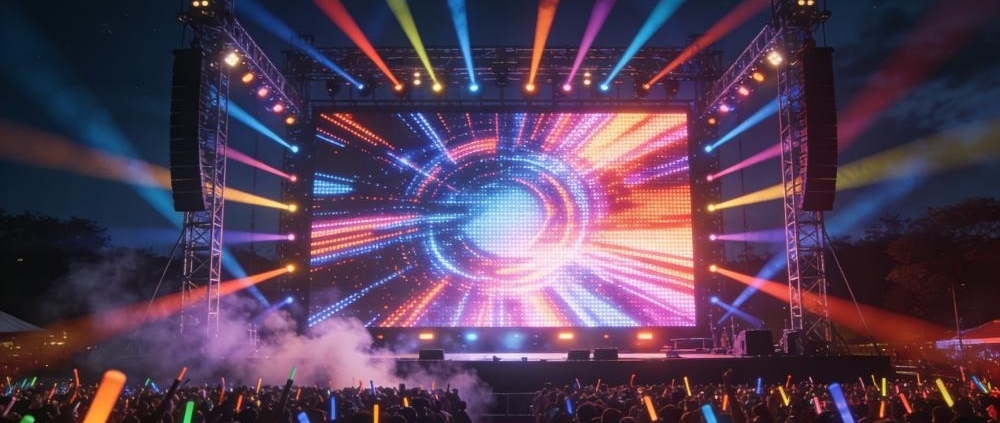
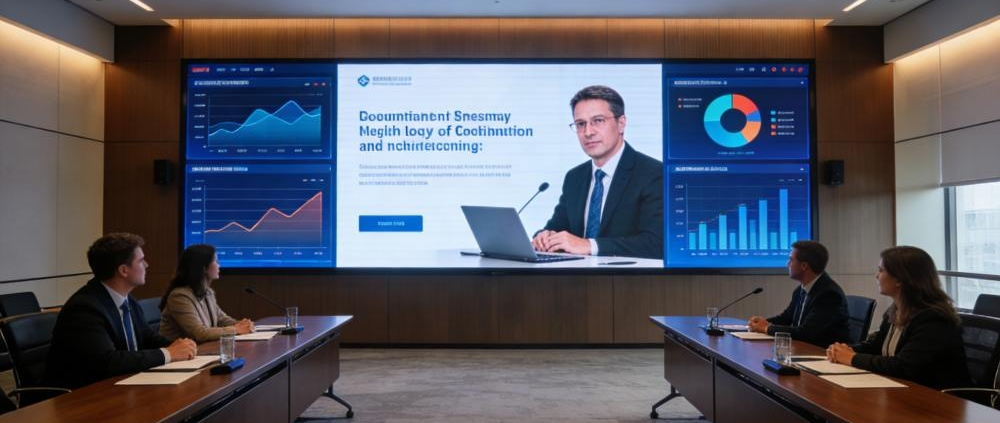
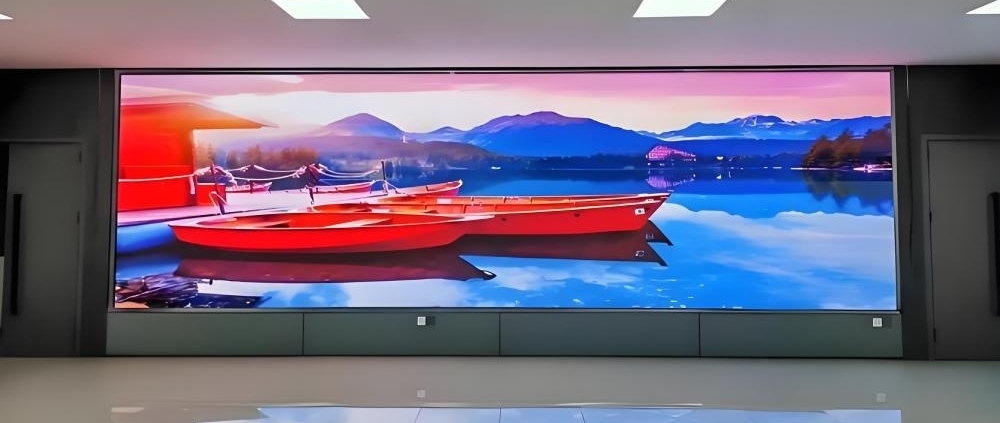
How to Find the Right LED Screens for Launch Events?

in /by

In the past, LED display to outdoor advertising and stage performances as the main application scenarios, and based on data and technology media innovation for the audience to bring a very impactful user experience. Nowadays, with the innovation of more application scene mode, the use of LED display screens is no longer limited to the traditional mode, but with an innovative viewing trend to enter the marketing field – product launch events.

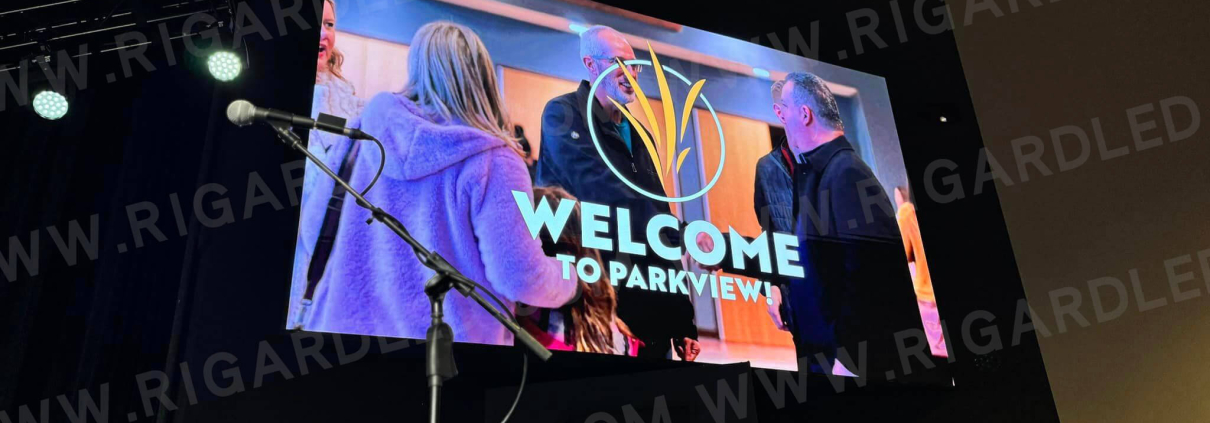
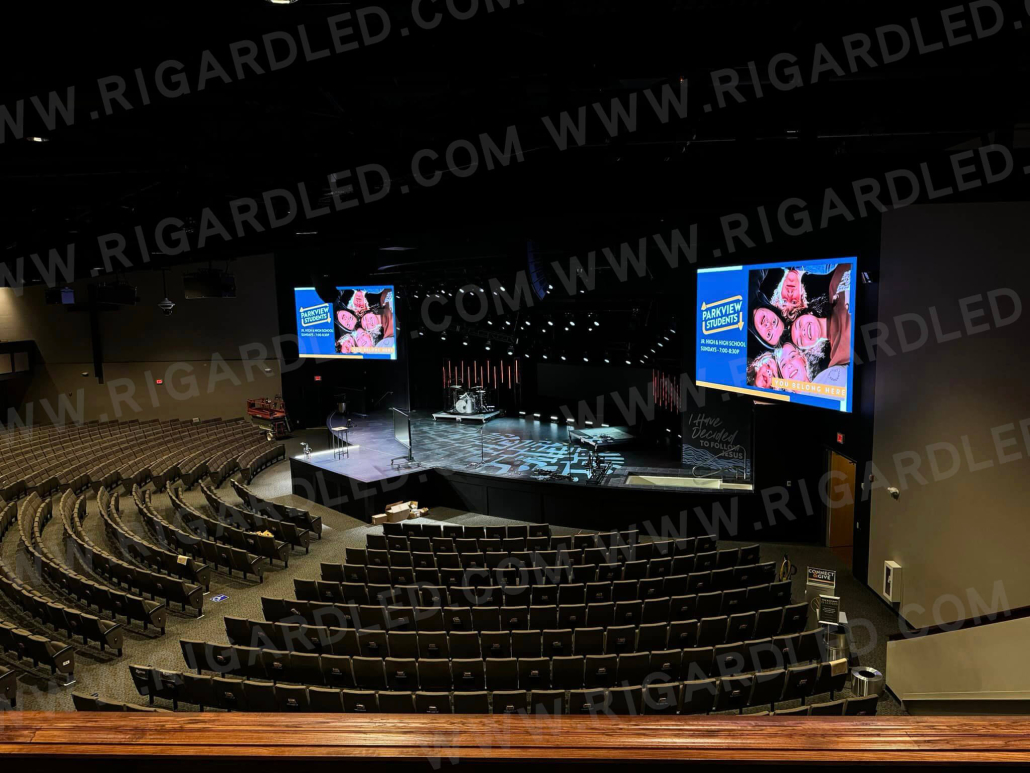
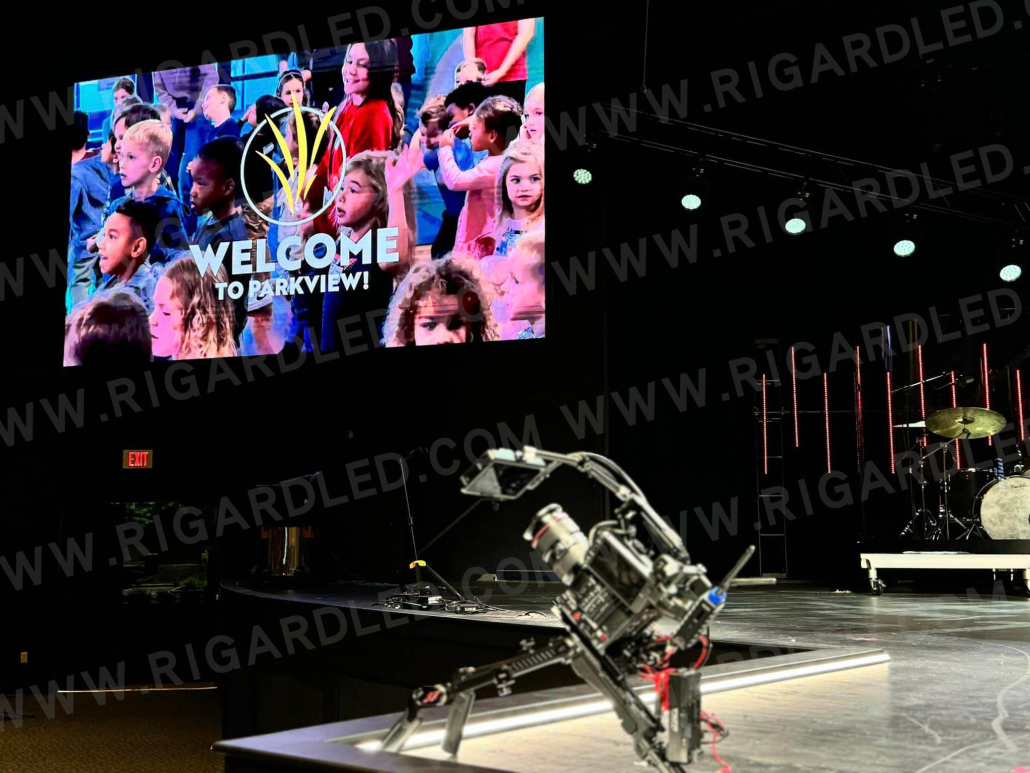
When planning a product launch, visual effects play a critical role in highlighting the features of new products and leaving a lasting impression. The use of LED screens for product launches, whether it is to display promotional videos, real-time information or eye-catching graphic icons, can enhance the presentation and engage the audience.

This article aims to help you make an informed decision when choosing a creative LED display for your launch event by highlighting the advantages and key features of LED screens for launch events.

Benefits of LED Screens for Launch Events

Whether in the smartphone sector, automotive industry, or gaming field, brand launch events serve as benchmarks for industry trends, drawing the attention of countless fans and businesses within the sector. To generate more buzz around a brand and its products, LED displays stand out as the ideal medium for brand marketing, offering irreplaceable value at these events alongside the product’s core selling points.

There’s no doubt that LED display screens, especially small-pitch LED displays, provide exceptional visual quality, showcasing the product’s key features and brand identity with clarity. Furthermore, by integrating various shaped screens and incorporating naked-eye 3D and AR technologies, LED displays can create stunning stage effects and interactive experiences, transforming product launches from mundane presentations into engaging showcases.

Notably, LED screens are also energy-efficient and environmentally friendly, allowing organizers to achieve unique and innovative stage designs at a lower cost while boosting brand visibility and significantly increasing product sales.

What to Look for in LED Screens for Launch Events?

Since using an LED display screen can significantly enhance brand and product marketing, what should you keep in mind when choosing the right screen for your event? Here are the key points to understand:

1. Pixel Pitch and Resolution

Pixel pitch refers to the distance between the centers of two adjacent pixels on the screen. A smaller pixel pitch leads to a higher resolution and better image quality. Additionally, the clarity of the image is closely related to the distance from which the audience views the screen, making it vital for product launches, where visual clarity is crucial.

Opting for a small pixel pitch LED display is wise, especially since brand launches typically occur indoors with the audience sitting relatively close to the screen. This ensures that viewers can enjoy high-resolution, flawless images regardless of their position or angle.

2. Color Accuracy and Calibration

Accurate color representation is essential for authentically showcasing your products and brand information. Therefore, you need to consider choosing an LED screen for launch event that offers excellent color accuracy and calibration features to bring your product images and videos to life. Furthermore, to highlight the uniqueness of the stage design, brand launch events usually feature a main screen alongside other secondary displays. As such, it’s important to find an LED screen with advanced color calibration capabilities to ensure consistency across different displays.

3. Brightness and Contrast

High brightness levels are essential for outdoor activities or well-lit indoor venues. Contrast measures the difference between the darkest and brightest parts of an LED screen, enhancing the depth and richness of the visual experience. Ensure that the LED screen you choose for your brand launch provides both high brightness and excellent contrast.

4. Refresh Rate

The refresh rate of an LED display screen affects the smoothness of motion in videos and animations. A higher refresh rate results in a smoother visual experience, which is particularly important for dynamic presentations and video content. For optimal performance, opt for an LED screen for launch event with a refresh rate of at least 3840Hz.

5. Screen Size

Matching the screen size to the event space and audience size is crucial. A LED screen that is too small may make it difficult for everyone to see, while one that is too large may take up too much space. When selecting an LED screen size, consider the viewing distance and the venue’s dimensions to ensure maximum impact.

6. Viewing Angle

A wide viewing angle ensures that product details are clearly visible from various locations in the venue without color distortion or loss of brightness. This feature is especially important for large audiences spread over a broad area. To leave a lasting impression of your product and brand, look for an LED display screen for launch event with a viewing angle of 140 degrees or greater for the best audience experience.

7. Connectivity Options

Compatibility with various devices and presentation tools is essential for seamless integration into the event setup. Today’s brand launches extend beyond merely showcasing product highlights and often incorporate advanced 5G and AR technology to enhance user interactivity. Ensure that the LED screen for product launch you select supports a range of input options, including HDMI, DVI, and VGA, to accommodate different media sources.

Applications of LED Screens for Launch Events

1. Multi-Screen Coordination

At the product launch of Snow God Zero, the configuration included two LED screens on each side, with a total of five LED screens in the center. This combination of multiple screens offers great flexibility in presentation, creating a visually captivating and interactive experience.

During the Meizu ∞ Lynk & Co Eco-launch, a combination of large LED screens and strip screens was used to effectively showcase the crossover collaboration between a smartphone brand and an automotive brand.

2. Cube LED Screens

Cube LED screens are also known as cube displays or six-sided LED displays. Each display side of an LED cube screen can seamlessly connect, breaking away from the monotony of traditional flat displays and attracting users with their unique shape.

In 2023, the Samsung Galaxy S23 series launch in China featured an impressive visual effect through an opening LED screen and a liftable cube LED screen.

3. Curved LED Screens

Curved LED screens are one of the most frequently seen display types at brand launches, characterized by their curved and arched shapes. The ultra-wide display design of curved LED screens gives a sense of depth and continuity, showcasing the brand’s inclusivity and vitality while presenting limitless possibilities. The use of impactful visuals and grand display styles creates a stunning and immersive experience for participants.

4. Multi-Sided Screens  

Multi-sided screens are composed of multiple sets of displays, ranging from a few to hundreds. This design can provide brands with a variety of visual changes and present product highlights from multiple dimensions.

In May 2024, OPPO held the product launch of its Reno12 in an esports center in Hangzhou, which featured a multi-sided screen design. The focal point of the venue was a liftable screen made up of four large and four small LED screens, covering a total area of 240 square meters. The screens could reach heights of up to 22 meters from the ground to accommodate viewers from various seating positions.

5. Naked Eye 3D Screens

Online product launches, especially for cars and smartphones, often utilize naked eye 3D screens. Naked eye 3D screens offer a level of depth and lighting detail that is difficult to achieve on a traditional stage, enhancing the overall visual elements with effective transition effects, thereby amplifying the technological tension of the launch.

By fully utilizing floor LED screens along with augmented reality effects that blend reality and virtuality, and implementing dynamic data lines that break the fourth wall, experiences can become more immersive and engaging. It offers viewers a delightful watching experience paired with vivid high-frame performance explanations.

Tips for Finding the Best LED Screen Supplier

Choosing the right supplier is just as important as selecting the appropriate screen. Here are some tips to help you find a reliable LED screen provider:

1. Research Reputable Suppliers  

Start by researching well-known suppliers that specialize in providing LED displays for events. Look for companies with a strong track record and good industry reputation. Check their websites, review their product portfolios, and gather information about their products and services.

2. Evaluate Supplier Products  

Compare the product ranges, customization options, and after-sales support offered by different LED screen suppliers. Ensure they provide the specific features and configurations your event requires. Customization options—such as screen size, shape, and installation solutions—are crucial for meeting your unique needs.

3. Read Reviews and Recommendations  

Customer feedback is vital when assessing potential LED screen suppliers. Read reviews and recommendations from previous clients to gauge their satisfaction with the products and services. Look for consistent positive feedback regarding product quality, customer service, and reliability.

4. Request Quotes and Proposals  

Request detailed quotes and proposals from multiple LED screen suppliers to compare pricing and products. Comprehensive proposals should include information about screen specifications, installation services, maintenance support, and warranty terms. Use these proposals to make informed decisions based on value and quality.

RIGARD LED, an example in this regard, is a leading manufacturer of reliable LED screens for events. Our small pixel pitch LED display technology is at the forefront of the industry, having broken technical barriers to provide high brightness and contrast in LED screens with a pixel pitch of less than 1mm for your brand events.

In addition, with a wealth of LED display solutions across various industries, RIGARD LED offers LED screens for launch events with advanced color calibration features and refresh rates of up to 3840Hz, ensuring high-quality performance and durability. RIGARD LED is committed to creating visually stunning stage designs for your launch events, enhancing the impact of your brand and products on the audience.

Conclusion

Choosing the right LED display for your event is crucial for creating a visually impactful and engaging experience. Consider factors like pixel pitch, color accuracy, brightness, and screen size to ensure the best option for your needs. Additionally, take the time to find reputable suppliers who can provide high-quality products and reliable support.

Investing in high-quality LED screens will lead to a successful product launch and leave a lasting impression on your audience, ensuring a worthwhile return. Contact RIGARD LED now to explore our range of LED display screens and find the perfect solution for your next event.

The Future of Advertising: Spherical LED Display Innovations

in /by

The advertising industry continues to evolve, fueled by the constant advancement of technology. From the simple print ads of the past to today’s digital billboards, businesses are always looking for new ways to capture and retain their audience’s attention. In this ever-changing environment, maintaining innovative display solutions is essential to stay ahead of the competition. The advent of spherical LED displays is a groundbreaking advancement that is revolutionizing the way businesses interact with their audiences.

As we delve into the future of advertising, it’s clear that spherical LED screens will play a significant role in changing the way businesses connect with their customers.

What is a Spherical LED Display Screen?

A spherical LED display is a cutting-edge digital display technology that breaks away from the traditional flat screen format and presents a three-dimensional spherical shape. It consists of multiple interconnected spherical units and a sturdy display board tray. The spherical units are made up of multiple scoops of display board assemblies ranging from indoor P2 to outdoor P37.5. They also contain multiple warp spokes and weft spokes that are interlocked through multiple tongue and groove joints to form a smooth curved surface.

This innovative display solution utilizes the versatility and brightness of LED technology to create a dynamic, immersive visual experience that can be viewed from any angle. The spherical design allows content to be displayed seamlessly across the entire surface, making it a powerful tool for capturing viewers’ attention in a variety of environments.

The Features of Spherical LED Display Screens

360-degree visibility for maximum impact

One of the most compelling features of a spherical LED display is its 360-degree visibility. Unlike traditional flat screens, spherical LED screens can be seen from any angle, ensuring that your message reaches a wider audience. This makes them ideal for environments where people are constantly on the move, such as busy commercial centers or large event venues.

High resolution graphics and vibrant colors

Spherical LED displays use cutting-edge technology to deliver high-resolution graphics and vibrant colors. This ensures that every detail of your content is displayed with amazing clarity and brightness. Whether you’re displaying complex graphics, moving video or simple text, the quality of the display remains high.

Customization options for every business need

Every business has unique needs when it comes to advertising, and spherical LED displays offer a wide range of customization options to meet those needs. From different sizes and resolutions to different shapes and configurations, businesses can customize spherical LED screens to meet their specific needs. This level of customization ensures that the display fits perfectly with a brand’s identity and messaging strategy.

In addition, to ensure that the pixels are bright enough for outdoor reality projects, the front of the pixels are potted with silicone for waterproofing, and the color of the silicone can be matched to the project’s requirements against a color card, so that the spherical LED screen is perfectly coordinated with the color of the building’s façade.

Durability and weather resistance for indoor and outdoor use

Utilizing excellent silicone wires and specialized waterproof connectors, the fully sealed waterproof construction of the spherical LED displays is IP67 rated. Moreover, they can withstand indoor and outdoor temperatures of -20 and +80 degrees Celsius, and can operate in rainy weather.

Whether you install them in climate-controlled environments or outdoors where they are exposed to harsh weather, these displays can withstand harsh conditions while maintaining optimal performance. This durability ensures a longer lifespan and better return on investment for your business.

Interactive Dynamic Content Capabilities

Equipped with a professional audio and video processing system, the spherical LED display supports a wide range of external signal access for live broadcasting. In addition, multiple pixels can be connected in series or in parallel to achieve full-color display and clear video playback, and the LED ball can be synchronized or asynchronously controlled to display full-color video.

In addition, modern spherical LED displays do more than just show static images or looped video. They are interactive, allowing companies to engage with their audience in real time. For example, these screens can be integrated with social media platforms to display real-time information or programmed to react to audience interaction, creating a more engaging and personalized experience.

Energy efficiency and cost effectiveness

Despite their advanced capabilities, spherical LED displays are designed to be energy efficient. They consume less power than traditional lighting and display solutions, reducing operating costs. This energy efficiency, combined with their long lifespan and low maintenance requirements, makes spherical LED screens a cost-effective choice for businesses looking to maximize their advertising budgets.

Wide range of industry applications

Spherical LED screens are versatile and suitable for a variety of applications in different industries.

In retail environments, they can be used to create eye-catching product displays that engage customers and enhance the shopping experience.

In entertainment venues such as concerts and theaters, spherical LED screens can enhance performances by providing dynamic backgrounds and immersive visual effects.

In addition, these displays are increasingly being used in government and corporate environments for presentations, trade shows, museums, planetariums and science museums, where their unique design helps create a memorable impression.

The Rise of Spherical LED Displays in Advertising

LED display technology has come a long way since its inception. Initially, LED displays were primarily used for simple signage and text displays due to their limited resolution and color capabilities. However, advances in technology have pushed LED displays to the forefront of modern advertising. As pixel density, color accuracy and overall brightness have increased, LED display screens have become the preferred choice for high-impact advertising.

While traditional flat panel LED displays have been the mainstay of advertising for many years, the introduction of spherical LED displays marks a significant change. The transition to spherical LED screens represents a shift to a more immersive and engaging advertising format.

Advantages over traditional displays

Spherical LED screens for advertisement offer several distinct advantages over traditional flat panel displays. Their 360-degree visibility ensures that the display can be seen from all angles, making them ideal for high-traffic areas where viewers approach from different directions. The spherical shape also allows for more creative and engaging content presentation, which enhances audience interaction and retention. In addition, the advanced LED technology used in these displays ensures excellent brightness, color accuracy and energy efficiency, making them a cost-effective solution for businesses looking to make a significant visual impact.

How to Enhance the Advertisement of Spherical LED Displays?

Super advertising value

LED spherical screen is a kind of creative LED spherical surface display, with multiple display splits, telescopic and shaped display, uniform technology display screen HD without distortion, super advertising value. Spherical LED displays have a stronger visual impact and their unique shape and design immediately attracts attention, making them ideal for high-traffic areas such as shopping centers, airports and trade shows. Spherical LED display breaks the limitation of traditional LED display’s regular shape and appears in different shapes, which brings another way of development in LED display industry.

Decoration and atmosphere

As a kind of novel display screen, LED spherical screen can play the role of modern decoration and atmosphere, and it has already been in the forefront of the advertisement tool that attracts thousands of eyeballs. With the gradual spread of the LED screen market, in the near future, both individual merchants and large brand manufacturers can take advantage of the LED screen to attract more customers, through the LED screen to introduce products and decorate the environment, so as to bring more economic benefits!

Immersive Visual Effects

Events are about creating memorable experiences, and spherical LED displays excel in this regard. Their unique design and high-quality visuals create an engaging and immersive effect that captivates attendees. Whether used for concerts, trade shows or corporate events, these displays enhance the overall atmosphere and leave a lasting impression on the audience.

Versatility to display dynamic content

One of the outstanding features of spherical LED displays is their versatility in displaying dynamic content. From live video feeds and animated graphics to real-time social media updates, these displays can handle a variety of content types. This flexibility allows event organizers to engage their audience with ever-changing and interactive visuals.

Choosing the Right Spherical LED Display for Your Business

Size

The size of your spherical LED display is one of the primary considerations. It needs to fit into your intended space while still being large enough to attract attention. For example, a smaller display may be suitable for indoor events or retail environments where viewing distances are relatively close. In contrast, larger displays are ideal for outdoor environments or large venues where the display needs to be viewed from a longer distance.

Resolution

Resolution is critical to the visual quality of a spherical LED screen. Higher resolution means more pixels per inch, resulting in sharper, more detailed images. For applications that require complex graphics or high-definition video, investing in a higher resolution display is critical. This ensures that your content is clear and stunning even when viewed up close.

Brightness

The brightness of your LED display is another important factor, especially for outdoor installations where sunlight can affect visibility. Higher brightness levels ensure that your content remains vivid and easy to read in all lighting conditions. For indoor setups, brightness can be lower, but still needs to be enough to stand out in ambient lighting.

Durability and weather resistance

Durability is key to a long-lasting investment, especially if the display will be used outdoors. Look for weatherproof spherical LED screens that are water, dust, and UV resistant. These features ensure that the display can withstand a variety of environmental conditions and provide reliable performance over time. Additionally, the durability and low maintenance requirements of spherical LED screens contribute to their overall cost-effectiveness.

Manufacturer reputation

Finally, consider the manufacturer’s reputation. Reputable manufacturers, such as RIGARD LED, are known for their superior build quality, cutting-edge technology, and excellent customer support. These factors make them a reliable and effective choice for businesses wishing to invest in a spherical LED screen, and RIGARD LED offers comprehensive support and service to ensure your spherical LED display runs smoothly. From professional installation and setup to ongoing maintenance and troubleshooting assistance, RIGARD LED is committed to providing its customers with first class service and support so that you get value for your investment.

Conclusion

The future of spherical LED display technology is bright, with several emerging technologies and innovations on the horizon. These include advances in micro-LED technology, which offers higher resolution and energy efficiency, and the integration of artificial intelligence to create more interactive and personalized advertising experiences.

Spherical LED displays represent the future of advertising, offering a unique and impactful way to engage audiences. Their innovative features, versatility and durability make them an excellent investment for companies looking to enhance their advertising strategies. RIGARD LED is at the forefront of the development of spherical LED displays, pushing the boundaries of what is possible.

By investing in research and development, RIGARD LED is able to provide cutting-edge solutions that meet the ever-changing needs of businesses. Our commitment to innovation ensures that our customers receive the most advanced and effective spherical LED display solutions.

Ready to change your advertising strategy? Contact RIGARD LED for expert advice and installation services. Let us help you engage your audience with the latest in spherical LED display technology.

RIGARD P6.944 LED Displays: The Ideal LED Screens for Concert

in /by

Concerts are imbued with a sense of ceremony due to live performances and magnificent visual effects, making them a perennial source of spiritual sustenance. Undoubtedly, a flawless concert not only relies on the singer’s exceptional vocal skills but also on the dazzling and stunning effects shaped by LED display screens on the stage.

Modern LED screens and sound equipment can provide audiences with immersive audiovisual enjoyment, allowing them to experience the perfect blend of music and technology. Many organizers also equip concerts with LED display screens tailored for the event, using large-scale screen splicing to create diverse display forms such as overlapping and split screens to enhance creative stage design, attracting various music trends and audiences.

Stage LED screens are specifically designed screens that create various creative effects for stages, typically composed of main screens, sub-screens, and extended screens. The main screen is used for live broadcasting and exciting replays, with several sub-screens placed on each side to smoothly connect to the main screen, presenting stage scenes vividly to the live audience. The extended screen is generally used for large stages like concerts to cater to rear audiences, ensuring that all spectators can clearly see everything happening on stage.

So, what should organizers pay attention to when choosing stage LED screens for concerts? Let us delve into the requirements of stages LED displays.

High Brightness

The lighting conditions in concert venues vary, with natural and artificial light sources. To ensure the LED display screens for concerts remain clear and vibrant even in well-lit environments, a high level of brightness is crucial. Outdoor concerts susceptible to sunlight interference may require screens with brightness levels ranging from 5,000 to 10,000 nits or higher. This ensures that the screen content remains clear and impactful regardless of environmental lighting.

High Resolution

Resolution directly affects the clarity and detail of visual effects displayed on stage LED screens. Higher resolutions, such as HD (1920×1080 pixels) or UHD (3840×2160 pixels), allow LED video walls for concert to maximally reproduce the live performance details when broadcasting artists, enabling the audience to clearly see every expression and movement, enhancing the emotional impact and resonance of the performance. This is crucial for engaging the audience and providing an immersive visual experience, especially in large venues where audience may be seated far from the stage.

High Refresh Rate

The refresh rate of stage LED screens determines how many times per second the image is redrawn. A higher refresh rate (usually measured in Hertz) ensures smoother motion playback and reduces motion blur, which is particularly important for fast-paced performances, dynamic lighting effects, and video content. It is generally recommended for concert LED screens to have a refresh rate of at least 3840Hz to provide a seamless visual experience.

High Color Accuracy

Accurate color reproduction is essential for maintaining the integrity of visual content, ensuring colors appear vibrant, consistent, and realistic. LED display for concert with high color accuracy and wide color gamut (such as screens capable of displaying all colors in the RGB spectrum) enhance the overall visual experience for concert audiences. This is crucial for conveying the mood and atmosphere of the performance, as well as accurately presenting brand elements and sponsor logos.

Pixel Pitch Less Than 7mm

Pixel pitch refers to the distance between individual LED pixels on the screen, measured in millimeters. The suitable pixel pitch depends on the viewing distance – larger pixel pitches may be suitable for screens viewed from a distance, such as those installed on stage backgrounds or placed at elevated positions, while smaller pixel pitches are more suitable for screens closer to the audience. LED screens with pixel pitches ranging from 4mm to 7mm strike a balance between image quality and viewing distance, making them ideal for outdoor concert stages.

RIGARD’s P6.944 LED display screen is specifically designed for outdoor concert stages, providing good visibility and image clarity for audiences sitting at medium to rear distances from the stage.

Durability and Weather Resistance

Outdoor LED displays for stages need to withstand various environmental factors such as rain, wind, dust, and temperature fluctuations. Durable building materials, wind and rain protection seals, and protective coatings help ensure the longevity and reliability of the screen in outdoor environments. Additionally, features like IP65 or IP66 ratings prove the screen’s waterproof and dustproof capabilities, making them suitable for outdoor installation.

Seamless Integration

To create a seamless and immersive visual experience for concert audiences, stage LED screens must have minimal borders and precise panel alignment to eliminate visible gaps or lines between panels. This requires meticulous installation and calibration to ensure that each LED module seamlessly blends together, forming a cohesive and uniform display surface.

RIGARD’s P6.944 LED display features ultra-thin and lightweight panels that enable seamless splicing and uninterrupted visual effects, enhancing the overall production quality of live performances.

Control System

An efficient control system is crucial for managing the content displayed on LED screens during music concerts. This includes hardware components such as video processors, scalers, LED controllers, as well as software applications for content creation, scheduling, and playback. The control system allows operators to switch between different sources, adjust brightness and color settings, synchronize content across multiple screens, and troubleshoot technical issues in real-time, ensuring a seamless and professional presentation.

Easy Setup and Installation

LED screens for concert should be designed for easy setup and installation, allowing production crews to quickly assemble and dismantle screens as needed. The modular LED panel structure is lightweight, tool-less locking, and equipped with quick-release connectors for easy deployment and disassembly, reducing setup time and labor costs. Additionally, screens with user-friendly interface designs and intuitive installation systems simplify the installation process, making them an ideal choice for touring performances and temporary event setups.

RIGARD’s P6.944 LED display features a unique intelligent locking design and module hard-pin connection, allowing precise positioning of problematic modules for efficient replacement and installation.

Flexibility

Sub-screens on the stage are often designed in various irregular shapes to enhance the unique aesthetics, visual impact, and audience experience. Opting for more flexible stage LED displays, such as flexible LED displays, curved LED displays, or transparent LED displays, is crucial to ensuring that concert organizers and event planners get the best value and return on investment.

RIGARD P6.944 LED Screen is an Excellent Choice for Concerts.

The meticulously designed P6.944 LED screen meets the stringent requirements of concert stages, ensuring unparalleled brightness, resolution, and reliability, thus elevating live performances to new heights.

With brightness ranging from 5,000 to 10,000 nits, our LED screens guarantee clear visibility even in the brightest outdoor concert environments. The P6.944 LED screen, ideal for concerts, boasts a refresh rate of up to 3840Hz, ensuring smooth motion playback and preserving the smoothness of fast-paced performances and dynamic lighting effects.

Renowned for outstanding color accuracy and wide color gamut, RIGARD LED screens faithfully reproduce vibrant hues and subtle gradients, enriching the visual narrative of every concert with true-to-life colors. Furthermore, we offer unparalleled reliability, durability, and the ability to withstand the rigorous demands of concert tours and outdoor installations, ensuring uninterrupted performance in any environment.

With competitive pricing and comprehensive support services, the RIGARD P6.944 LED screen provides a rental option, making it a wise choice for concert organizers seeking quality and reliability without compromising their budget. Enhance the visual effects of concerts with RIGARD LED screens, unleash the full potential of performances, attract audiences with immersive visual experiences, and leave a lasting impression.

LED Screens: The Revolution in Studio Production

in /by

Broadcast studios are the birthplace of various high-quality content and a crucial source of information for us. From their inception to the present, the ways in which studio content is produced and delivered have undergone significant changes with the advancement of technology. Despite this, in this multi-screen era integrating new technologies such as AI, cloud computing, and the Internet of Things, Broadcast studios still need to overcome key technological challenges to stand out in the fast-paced media and entertainment world. Undoubtedly, the new generative AI system Sora released by Open AI in February, which generates videos through text, has greatly promoted the significant development of new productivity in studios.

LED screens have long been prominent in the studio field, and in recent years, with the advancement of digital construction and small-pitch technology, they have become the main application background in studios. This has led to new trends in content production and dissemination, sparking new dynamics in media integration and accelerating the formation of new productivity. Therefore, to achieve a deeper and broader evolution in embracing the digital wave, studios need to leverage LED screens.

With the rise of LED display screens, broadcast studios can transform their sets and produce stunning visual effects and immersive environments that attract audiences from around the world. Furthermore, LED screens for studios offer unmatched flexibility and versatility compared to traditional display screens, making them a valuable tool for enhancing the overall production value of any broadcast.

So, as the digital wave arrives, how can LED screens drive the revolution in studio production?

Efficient Virtual Production by Replacing Green Screens

Currently, studios can be categorized into physical studios, green screen studios, LCD/LED large screen studios, and LED XR virtual production studios based on scene types. Virtual production which can be achieved through green screens and LED screens is an essential key technology for studios to achieve digital upgrades. With the development of XR virtual shooting technology, green screen studios will continue to be replaced by LED virtual production studios.

Compared to green screens, the most exciting aspect of LED screens in virtual production is how they change the way content is produced and delivered. Virtual backgrounds and environments can be directly displayed on LED screens to complete various challenging shots without the need for physical sets and props. On the other hand, virtual production relying on green screens requires consideration of post-production, environmental set design, and lighting costs and effects.

With LED display screens, studios can blur the line between actions on the screen and the real world, creating visual impacts and immersive environments that cannot be replicated in the real world. This helps broadcasting companies save production costs and allows them to create more dynamic and visually appealing scenes tailored to specific programs or events.

It is estimated that by 2025, the market potential for LED screens in XR virtual production studios will be around 15-20 billion. The demand under this extensive market coverage will drive LED screens to open up a whole new world full of creative possibilities, enabling studios to break through the boundaries of film and television content production.

Superior Image Quality Provided by Smaller Pixel Pitch

LED screens are made up of individual light-emitting diodes (LEDs) that create images and visual content on the screen by emitting light. These LEDs are clustered into groups called pixels, and the smaller the distance between them, the higher the pixel density and better image quality, as closer pixels create more detailed images.

Small pitch LED screens that can provide vibrant colors, clear details, and smooth motion are an inevitable trend in driving the transformation and development of studios. This is because high-resolution images and videos are crucial tools for studios to attract audience attention in an increasingly crowded media environment. From graphics on the screen to the facial expressions of presenters, small pixel pitch LED screens ensure lifelike visual effects, enhancing viewers’ experience.

Empowering the Cultural and Tourism Industry with Immersive Experiences

The application scenarios for studios are countless, but upon closer examination, it becomes apparent that almost all LED display screens can meet the development needs, whether it’s for television program production, stage performances, or immersive cultural and tourism projects. This is because as the most crucial visual medium, LED displays can transport visitors into the scene, enabling them to fully immerse themselves, engage emotionally, and experience a comprehensive new dimension within the exhibition space.

For example, the virtual reality immersive theater project The Wind Rises in Luoyang, created by iQIYI, combines live performances with VR interactive experiences, integrating immersive drama, role-playing, and live interpretation in virtual reality space to recreate the grandeur of Luoyang during the Tang Dynasty.

With its exquisite and vivid ultra-high-definition effects, LED displays can reconstruct the relationship between exhibition content and display space, becoming the mainstream choice for diverse immersive experiences. This has garnered favor in the cultural and tourism industry, revitalizing the somewhat fatigued LED display screens and uncovering new potential in this context.

Integration into Any Studio Design

The flexibility and versatility of LED display screens are among the primary contributions to helping broadcast studios achieve digital transformation. Depending on the production material, LED displays can be transparent LED screens, curved LED screens, or flexible LED screens, easily customized to fit any size or shape, enabling broadcast companies to create unique and immersive scenes that captivate audiences. Whether it’s a curved display behind the anchor desk or a video wall showcasing dynamic graphics, LED display screens can seamlessly integrate into any studio design, enhancing the production value of the broadcasted content.

Real-Time Display of Dynamic Content

Another way LED screens are transforming broadcast studios is through the real-time display of dynamic content. By seamlessly integrating with video production software and hardware, LED displays screens enable broadcast companies to showcase live broadcasts, graphics, and interactive elements in their scenes. This real-time content helps keep the audience engaged and informed, whether it’s breaking news updates, on-site interviews, or interactive public opinion surveys.

Contribution to Sustainable Development

LED displays are not only cost-effective but also environmentally friendly, making them a sustainable choice for studios looking to reduce their carbon footprint and operational costs. Compared to traditional display options, LED technology consumes less power, reducing electricity bills and minimizing environmental impact. By investing in LED display screens, broadcasting companies can enhance the aesthetics of their studios while contributing to a more eco-friendly and sustainable future for the industry.

As the digital revolution continues to shape the media landscape, studios must adopt new technologies to stay relevant and competitive. LED screens provide powerful tools for studios aiming to transform production value and create engaging content that resonates with audiences.

Whether you aim to create stunning visual effects for set designs, enhance live broadcasts with real-time data and graphics, or push the boundaries of broadcast production, RIGARD LED displays can help you achieve your goals. RIGARD is a leading manufacturer of LED screens in the industry. Our team specializes in tailoring exclusive display solutions for you, offering LED display screens with outstanding image quality, flexibility, and versatility for studio applications, making them the perfect choice for you looking to leave a lasting impression in the digital age.

In conclusion

In conclusion, for studios seeking to enhance production value and undergo digital upgrades, LED displays are game-changers. Transform your broadcasting studio with advanced RIGARD LED displays and elevate your production to new heights.

What are the Requirements for LED Stadium Screens?

in /by

LED display screens have now replaced traditional lighting and CRT displays, becoming the core equipment of modern sports venues around the world. As a dynamic and versatile display tool, LED stadium screens not only showcase live events, instant replays, game time, and scores in high resolution, providing the audience with stunning effects and immersive experiences, but also display sponsor advertisements and interactive content, making them a perfect combination of modern sports and commercial operations.

They are mainly distributed above the home courts of sports venues such as football fields, basketball courts, and badminton courts, as well as around the stadium or at the entrance of the sports arena. Therefore, stadium LED displays can be divided into LED Scoreboards and Perimeter LED Screens.

Requirements for LED Stadium Screens

From the professional perspective of sports events, LED stadium screens need to emphasize real-time, accurate, fast, and distortion-free dynamic information dissemination, such as live broadcasts and exciting replay shots. Therefore, large LED video screens rental for stadiums and arenas require a wide viewing angle, high grayscale, a refresh rate of no less than 3840Hz, and the integration of high-performance driving ICs to ensure stable static scanning, live broadcasting, shooting.

Undoubtedly, in recent years, stadium LED screens have played a crucial role in enhancing the overall fan experience and are changing the way fans interact with matches. As the core equipment of major international events, what requirements do LED stadium displays need to meet in order to satisfy the needs of today’s sports and entertainment industry?

Wide Viewing Angle

The LED display screens for sports arenas require a wider viewing angle to ensure that over 95% of the audience can clearly see the content on the screen, especially during live broadcasts featuring athlete profiles, scores, slow-motion replays, exciting moments, close-up shots, and more. Given that viewers watch the screen from different angles, stadium LED displays need to ensure their vertical and horizontal viewing angles fall between 120-140° to provide viewers with a better visual experience.

High Refresh Rate

Sports competitions are typically intense, and only LED displays with high refresh rates can accurately convey thrilling moments to the audience amidst athletes’ high-speed movements. Additionally, high-definition cameras are used for filming or live broadcasting at the venue. If the refresh rate of the LED display screens is insufficient, the captured images may exhibit ripples, significantly impacting the overall visual appeal. Therefore, large LED video screens rental for stadiums and arenas commonly employ high refresh rate driving ICs to ensure a refresh rate of over 3840Hz.

High Resolution

Another requirement for LED stadium screens is high resolution to ensure clear images visible from various angles and distances within the stadium. High resolution guarantees that fans can enjoy every detail of the game, whether they are seated in the front row or in the upper deck. Moreover, high resolution is crucial for accurately displaying text and graphics such as player stats, scores, and sponsor messages.

Brightness and Contrast

Brightness and contrast are one of the most important requirements for stadium LED displays. Display screens that can produce vibrant colors and sharp contrast ensure optimal visibility under various lighting conditions, including bright sunlight or dimly lit stadiums. Due to the high brightness in outdoor settings, outdoor LED display screens need to have high brightness levels.

However, there is a balance between appropriate brightness, contrast, and energy efficiency. Excessive brightness may result in overly vivid colors that do not accurately represent the true colors. Hence, opting for energy-efficient stadium LED screens is crucial for creating an immersive viewing experience, capturing the excitement and vibrancy of live events, while ensuring stability and longevity.

Support for Diverse Input Interfaces

To maximize the impact of stadium LED screens, they must support diverse input interfaces for seamless integration with the venue’s audio and control systems. Integration of LED displays with audio systems enables synchronized playback of sound and video, creating a cohesive multimedia experience for the audience. Additionally, compatibility with control systems allows operators to efficiently manage content and monitor performance in real-time, such as switching live feeds, displaying real-time match timing, and scores.

Durability and Weather Resistance

During intense competitions, athletes inevitably collide with the perimeter LED displays around the field. It requires both outdoor and indoor LED screens to have anti-collision properties to protect athletes from injuries and extend the lifespan of the LED displays. Moreover, outdoor sports events often expose LED screens to various elements such as rain, wind, and extreme temperatures, necessitating stadium LED displays to have a high flame retardant rating, meet IP65 protection standards, use V0 flame retardant wires, and have built-in cooling fans.

Energy Efficiency and Low Maintenance

As sports venues strive to reduce their environmental impact and operational costs, energy efficiency and low maintenance are fundamental requirements for LED stadium screens. Energy-saving LED screens consume less power, reducing electricity bills and minimizing the stadium’s carbon footprint. Low maintenance screens require minimal upkeep and repairs, ensuring the longest possible operating time and lifespan without the need for frequent maintenance or replacements.

Scalability and Customization

Sports venues come in various shapes and sizes, requiring display screens to be scalable and customizable to meet the specific requirements. Whether creating large LED video walls for major sports arenas or installing multiple smaller or irregularly shaped displays throughout the venue, LED stadium screens should be flexible and highly adaptable. For instance, curved LED screens can create visually stunning display effects, enhancing the overall aesthetics of the venue.

Consideration of Viewing Distance

Stadium LED displays should choose the appropriate pixel pitch based on the viewing distance. For outdoor large sports venues, screens with larger pixel pitches like P6 or P8 are commonly considered. In contrast, indoor sports arenas with higher audience density and closer viewing distances often use narrow pixel LED displays with pixel pitches typically ranging from P2.5 to even smaller sizes like P2.

Compliance with Safety Standards

Last but certainly not least, LED stadium screens must comply with safety standards and regulations to ensure the health of fans, staff, and performers. Generally, the safety performance of LED display screens in sports venues must meet the requirements of section 5.4 in the SJ/T11141-2003 standard. LED module kits, fillers, PCB boards, and power line sheaths should be made of high-quality polymer materials with good flame retardant properties.

In term of the power design, it requires LED displays to be individually powered and comply with the requirements of section 5.8 in the SJ/T11141-2003 standard. Cable construction acceptance must meet the requirements of GB50168 and GB50171. Additionally, LED stadium screens must have smoke sensors, lightning protection, fire automatic alarms, and automatic screen shutdown functions. Distribution cabinets must have overload protection, leakage protection, and gradual power-up functions. Only stadium LED displays that meet safety standards can prevent potential hazards.

In competitive sports and entertainment industry, maintaining a leading position is crucial for sports venues looking to attract and retain fans. LED display screens have revolutionized this aspect, providing sports venues with a powerful tool to stand out and create a unique experience for the audience. By investing in LED screens, sports venues can enhance their brand, attract fans, and become industry leaders.

In conclusion

At RIGARD, we specialize in providing cutting-edge LED display solutions for venues of various sizes. Our expert team works closely with clients to design, install, and maintain custom stadium LED scoreboards, perimeter LED screens, tailored to meet their unique needs and exceed their expectations. We prioritize quality, innovation, and customer satisfaction, dedicated to helping sports venues enhance fan experience and achieve their business objectives.

Elevate your sports venue experience with RIGARD’s stadium LED screens. Let us help you take your venue to a new level and create truly unforgettable experiences for your fans. Contact us now to explore our customized stadium LED screen solutions for you.

LED Screens x Artistic Creation - 150North Riverside

Innovative Applications: LED Screens x Artistic Creation

in /by

Through the integration of virtual technologies such as AR/VR, XR, and the metaverse, LED screens have transcended their traditional 2D display image. They now open up a new world for the public in dimensions of time, space, virtuality, and reality. Beyond their creative display functions, LED screens serve as canvases for artists. Empowered by artistic creation, an increasing number of art designers are utilizing LED display screens to produce magnificent art pieces, offering the public novel visual, auditory, and sensory experiences. This trend is driving the development and expansion of the innovative LED screen market.

Innovative Applications: LED Screens x Artistic Creation

The fusion of art and technology showcases remarkable artistic creations and technological breakthroughs through LED display screens. Let’s explore the innovative applications that emerge from the combination of LED screens and artistic creation.

Urban Reflection

Innovative Applications: LED Screens x Artistic Creation - Urban Reflection

Urban Reflection showcases the multiple facets of the city of Hong Kong through advanced visual design and interactive technology. The art installation consists of 42 LED panels standing at approximately 4 meters high and 76 mirrors in a fountain pool measuring 27.2 meters by 5.4 meters. By utilizing light and shadow effects, the designers transform the rhythm and energy of urban life into a visual language, offering the audience a fresh urban experience. Urban Reflection vividly depicts the night scenes of Victoria Harbour and skyscrapers, cleverly blending the brilliance of neon lights with architectural wonders in Hong Kong. The LED images are repeatedly reflected on the water surface and mirrors, creating a captivating world with distant skyscrapers as the backdrop.

Portkey of the Maze_PX25

LED Screens x Artistic Creation - Portkey of the Maze_PX25

Portkey of the Maze_PX 25 is the world’s first outdoor immersive art installation presented in the form of a maze. Spanning 1,110 square meters, this art installation is located in the heart of the Xinyi District, opposite the Taipei 101 building. Featuring LED screens as the primary display terminals, it showcases Ouchhh’s 10 iconic works from the past 13 years around a four-floor high large LED video wall at the center of the maze. Additionally, the large LED video wall enables visitors to experience artificial intelligence from both inside and outside, offering a completely new visual experience.

The Digital Parade

LED Screens x Artistic Creation - The Digital Parade

RED° TOKYO TOWER is a next-generation comprehensive entertainment facility that combines anime, video games, esports, and fashion shows, complemented by high-tech elements such as AR and VR. The third floor of RED° TOKYO TOWER houses Japan’s largest esports park. The park features large LED video walls and floor LED displays produced and installed by WOW Inc. The venue showcases the immense potential of transitioning from flat LED screens to a new three-dimensional space. The esports park is themed with a plethora of red spheres and ripples, creating a stimulating and exciting atmosphere for the audience; geometric characters immerse video game enthusiasts from different eras.

EMERGENCE

LED Screens x Artistic Creation - EMERGENCE

The British LED light art installation Emergence consists of 75 large mirror units arranged in a cylindrical exhibition hall style. LEDs run around the outer end of each unit, forming a square, with a total of about 14,000 pixels in the entire structure. These LEDs can be seen from both inside and outside, displaying a continuously evolving and mesmerizingly complex light pattern program accompanied by an orchestrated audio track. Each section is meticulously designed to create an optical illusion inside, forming a complete light sphere when viewed up close, resulting in a massive light grid. The artwork offers viewers three different experiences, ranging from collective to intimate, depending on their position.

150North Riverside

LED Screens x Artistic Creation - 150North Riverside

In the lobby of 150 North Riverside in Chicago, there is a multimedia art installation spanning over 3000 square feet called Media Stream. The art installation comprises 89 vertical LED display screens of varying heights and widths, with gaps between each display. As the content on the multimedia installation constantly changes, this piece of art appears extraordinary every moment of every day, offering locals and visitors a breathtaking and spectacular visual art experience.

Delta LGA Terminal

LED Screens x Artistic Creation - Delta LGA Terminal

As one of the world’s leading airlines, Delta Air Lines aims to create a new customer experience at LaGuardia Airport by commissioning ESI Design to develop a landmark art, media, and graphic project, Delta LGA Terminal C, to celebrate the spirit of travel. This art installation is located in the departure hall and baggage claim area of LaGuardia Airport in New York, consisting of 34 vertical indoor LED display screens that transport people to new destinations and welcome them to New York City.

Space-Time Cube

LED Screens x Artistic Creation - Space-Time Cube

The Space-Time Cube is located in Shanghai’s Metaverse Experience Hall, featuring three hecoos servers carrying LED tunnels with seven large LED screens using spherical projection. The magnificent scenes surround every visitor in a 360° dimension, extending from the realms of time and space, allowing each person to experience the awe of strolling through the galaxy and the surprise of encountering dinosaurs.

With the rapid development of digital technology, an increasing number of public art pieces incorporate LED elements in their design and presentation to showcase the creativity and ideas of artists. The fusion of art and technology presents unprecedented innovation and charm. This trend has led to remarkable artistic creations and technological breakthroughs in LED display screens, not only expanding the LED display industry chain but also driving diversified development, offering valuable opportunities for the LED display sector.

As a leading LED display screen manufacturer, RIGARD LED has been involved in manufacturing and installing numerous astonishing creative art installations worldwide, presenting unparalleled visual experiences to diverse user groups. For more information on the applications of combining LED display screens with art creation, feel free to contact RIGARD LED.

The Ultimate Guide to Curved LED Screens

The Ultimate Guide to Curved LED Screens

in /by

In the realm of dazzling digital signage and advertising, creative LED displays such as fine-pitch LED screens, transparent LED screens, and curved LED screens have become a popular choice, revolutionizing the way businesses and creators communicate information. Among these innovative LED displays leading the industry trend, curved LED screens are gaining momentum. Curved LED screens offer a unique viewing experience, enhancing everything from gaming and entertainment to advertising and presentations.

Within this comprehensive guide, we will delve into the definition, advantages, and applications of curved LED display screens, providing you with all the information you need to understand and appreciate this cutting-edge display technology.

The Ultimate Guide to Curved LED Screens

What is a Curved LED Screen?

A curved LED screen, also known as a curved LED video wall or flexible LED screen, is a display technology that features a curved shape instead of a flat surface. Curved LED display screens consist of individual LED modules arranged in a curved or concave/convex structure to create a seamless, non-planar screen surface, such as curved sections at pillars, circular rings, or corners.

The design of curved LED screens aims to mimic the natural curvature of the human eye, offering a more immersive and lifelike viewing experience. By enveloping the screen around the viewer’s field of vision, curved LED screens can create a sense of depth and dimension that traditional flat screens cannot achieve.

What is a Curved LED Screen

The Advantages of Curved LED Screens

1. Immersive Viewing Experience

Since curved LED display screens have a certain curvature that conforms to the physiology of the human eye, one of their main advantages is the immersive viewing experience they provide. The curved shape of the screen helps wrap images around the viewer, creating a sense of depth and dimension that draws viewers into the content. This is particularly effective for gaming and entertainment applications where a more immersive experience enhances the overall enjoyment of the content.

2. Enhanced Contrast and Color

Curved LED screens aim to provide a more uniform viewing experience by reducing glare and reflections. The curved shape helps reduce edge distortion and color shifts, directing light towards the viewer to improve contrast and color accuracy across the entire screen. This is especially useful in environments with poor lighting conditions, as curved LED screens can minimize distractions and offer clearer, more vibrant images.

3. Wide Viewing Angles

Viewing angle is an important factor in the viewing experience, and another advantage of curved LED display screens is the wider viewing angles they offer. The curvature of the flexible LED screen helps maintain consistent image quality from various angles, ensuring viewers can enjoy clear images from almost any position. This makes curved LED screens ideal for applications where multiple viewers need to watch the screen simultaneously, such as in meeting rooms or public spaces.

4. Aesthetic Design

Curved LED screens not only offer functionality but also high flexibility and versatility in design. The curved shape of the screen can adapt to various creative styles, adding elegance and sophistication to any space, making them a popular choice for interior designers and architects. Whether used in home theaters, retail displays, or corporate meeting rooms, flexible LED screens can enhance the overall look and feel of the environment while providing a high-quality viewing experience.

5. Space Efficiency

Curved LED displays are adaptable to various environments, both indoor and outdoor. Their curved design can better fit the structure of the installation building, effectively reducing space wastage and installation costs.

6. Optimal Naked Eye 3D Effects

One of the creative advantages curved LED displays offer is the naked eye 3D effect, which flat LED displays cannot achieve. Curved screens are the best choice for achieving naked eye 3D effects, using the curvature to create a three-dimensional scene that provides users with a visually impactful experience. Curved LED display screens can also be combined with virtual reality (VR) and other technologies to create unprecedented virtual spaces, allowing consumers to witness breakthrough innovations in display technology and experience a fresh visual impact. Curved LED displays are not just the future of advertising displays but also a groundbreaking innovation combining public art with modern display technology.

The Applications of Curved LED Screens

The application fields of curved LED displays are diverse and expanding. Traditional flat LED screens, while widely used and holding a large market share, may not be suitable for certain special occasions. Curved screens are gradually becoming the trend in future display technology development. The popularity of outdoor naked-eye 3D LED displays and immersive LED screens supports this notion. However, the applications of curved LED screens go beyond these examples, showcasing their creative roles in various fields.

The Applications of Curved LED Screens

1. Gaming

Curved LED screens are increasingly favored by gamers for their immersive viewing experience. The curved shape of the screen helps draw players into the game, creating a more engaging and realistic experience. The enhanced contrast and color accuracy of curved LED screens improve gameplay by providing clearer, more detailed images.

2. Entertainment Venues

Curved LED screens are widely used in home theaters, cinemas, and other entertainment venues. While curved screens currently represent a minority in cinemas, their advantages are becoming more widespread, suggesting a future where more curved screens will enter theaters. The immersive viewing experience of curved screens enhances the enjoyment of movies, TV shows, and other forms of entertainment by creating a more attractive cinema experience. Furthermore, the wide viewing angle of curved LED screens ensures that everyone in the room can enjoy clear, vibrant images.

3. Advertising and Marketing

Compared to traditional flat screens, curved LED screens attract more attention from target users. More and more businesses are using flexible LED displays for advertising and marketing activities because they can perfectly fit building structures, enabling unique designs that make advertisements more memorable and impactful. They also exert great influence on increasing brand awareness and engagement. Whether used in retail environments, trade shows, or outdoor advertising, curved LED display screens can help businesses stand out and attract customers.

4. Presentations

Curved LED screens are also well-suited for presentations in corporate and educational environments. The immersive viewing experience of curved screens helps engage the audience and keep them focused throughout the presentation. The enhanced contrast and color accuracy of curved LED screens also ensure that visual content is displayed clearly and effectively, making it easier for viewers to understand and remember information.

5. Virtual Studios

Virtual photography is a popular emerging filming technique. Curved LED displays can be used to create large curved virtual video walls to simulate real scenes for filming, reducing post-production steps and costs. Moreover, large curved LED screens combined with VR technology can quickly immerse actors and creators in the on-set atmosphere, improving the quality of filming.

6. Aircraft Flight Simulators

Some large and heavy mechanical and professional driving simulators require a high level of immersion. Curved LED displays can be used in simulators for trainees to conduct simulation exercises. With the support of virtual technology, curved LED display screens can simulate real flight scenarios, while also supporting training on challenging aspects of normal flight such as simulating engine failures and forced landings to enhance pilots’ crisis management abilities.

Conclusion

Curved LED screens represent cutting-edge display technology, offering a range of advantages and applications across various industries. From gaming and entertainment to flight simulation, curved LED screens provide a unique immersive viewing experience and advanced virtual technology that enhances our interaction with digital content. By gaining a comprehensive understanding of curved LED screens, you can make informed decisions on integrating this innovative technology into your own projects and experiences.

offer custom curved LED display services

Currently, most LED display manufacturers offer custom curved LED display services. RIGARD LED has successfully completed numerous creative projects involving curved LED display walls for satisfied customers. Our team specializes in tailoring exclusive display solutions for you and delivering high-end display products that meet your expectations.

RIGARD’s curved LED display screens boast impressive features that offer limitless possibilities for your visual experience and business development. Easy maintenance and magnetic design make installation a breeze, while its lightweight nature facilitates transportation and upkeep. The smooth surface and excellent flatness provide your users with clear images and immersive visual enjoyment. Moreover, the flexible panel design grants you creative freedom to meet various artistic needs.

RIGARD LED screens not only deliver outstanding performance for your content but also offer convenience and flexibility for your operation and maintenance. If you have any further inquiries about curved LED displays, feel free to consult our LED experts anytime. We are dedicated to supporting your business development with the best curved screens.

LED display screens

What is Immersive LED Display Screen?

in /by

The immersive experience has been gaining popularity in recent years, gradually emerging across various industries. The immersive experience is a positive and impactful psychological experience that provides individuals with immense pleasure and awe while engaging in an activity, preventing them from feeling bored even after repeated participation. For instance, emerging technologies like VR utilize sensory and cognitive experiences to create an atmosphere that allows participants to fully enjoy and feel as if they are in a virtual world.

As for fv, they represent a significant advancement in the digital signage industry, boasting high brightness, vibrant colors, and seamless integration, making them an ideal choice for creating captivating immersive visual experiences. By integrating content with naked-eye 3D, virtual reality (VR), and augmented reality (AR) technologies, LED display screens can create the most realistic experiences in various environments, including entertainment venues, museums, retail spaces, and corporate settings.

LED display screens,

In this article, we will explore how LED displays can deliver optimal results in immersive settings and the key factors to consider when using them to create impactful experiences.

What is Immersive LED Display Screen?

An immersive LED display is a large screen made up of multiple LED modules arranged in a grid pattern. It uses ambiance, lighting, sound effects, and performance to put the audience in a state of total absorption, completely immersing them in the scene in front of them. Each LED module can emit specific colors of light, such as red, green, or blue (RGB), allowing for a full range of colors and a wider color gamut than other display technologies. Immersive LED displays use a video processor to send signals to each LED module, controlling the brightness and color reproduction of the video image and synchronizing the display with the original video.

LED Display

The LED dome at the California Academy of Sciences in San Francisco is an incredible example of the practical application of immersive LED technology. It is one of the largest all-digital planetariums in the world and proves that integrated immersive LED display technology has no limits.

What are the Advantages of LED Displays for Immersive Exhibits?

We perceive the world through our bodies, and immersive atmospheres transform our bodies into sensory systems, engaging our visual, auditory, olfactory, gustatory, and tactile senses to achieve interactive experiences on behavioral and emotional levels. As the primary visual medium, LED display screens, with their high definition, interactivity, large screens, and flexibility, allow visitors to immerse themselves in the scene, achieving full immersion, emotional engagement, and a completely new experience for display spaces.

  1. High-Definition Display

In immersive LED display applications, viewers are very close to the display screens, requiring high refresh rates and resolutions to meet their needs. LED display screens are equipped with high-quality driver ICs, achieving refresh rates of over 3840Hz. With their lifelike ultra-high-definition effects, LED displays reconstruct the relationship between exhibition content and display space, becoming the mainstream choice for diverse immersive experiences. They are favored by exhibition spaces, museums, convention centers, and businesses, bringing new possibilities to cultural and tourism exhibitions.

LED display

  1. High Interactivity

Immersive scenes enhanced by LED displays break the “fifth wall” between the stage and the audience, allowing everything to happen around the audience. Viewers can interact with the screen in real-time, making the visuals more vivid and enhancing the immersive experience. In immersive environments, imagined scenes come to life, allowing interaction through sight, touch, smell, and sound, showcasing the charm of LED display screens in immersive settings.

  1. Large-Screen Display

Immersive spaces require wide viewing angles and large, high-definition screens to help audiences feel fully immersed. A key feature of LED display screens is their modular design, allowing for flexible assembly to create large screens, expanding visual space, and achieving better immersion. Therefore, the modular design of LED displays meets the requirements of immersive spatial architecture.

Large-Screen Display

  1. High Flexibility

Flexible LED displays, with their high flexibility, are essential for creating immersive LED video walls. They can be assembled into various unique shapes based on the environment, creating three-dimensional spaces and naked-eye 3D effects. They can also be combined with interactive effects to blend motion and stillness, creating striking immersive scenes.

What Types of LED Displays Are Popular in Immersive Settings?

Without a doubt, almost all types of LED display screens can meet the demands of immersive settings and play a significant role. Flexible LED screens, transparent LED screens, interactive LED floor screens, and others are becoming the stars of various immersive settings, thanks to their high brightness and colorful display effects, as well as innovative technological developments.

  1. Flexible LED Screens

In the experience of the five senses, vision is the key to determining the immersive experience. Enhancing visual immersion to bring a more realistic experience to virtual spaces is at the core of current human-computer interface development. The immersive experience brought by flexible LED screens can be quantified by calculating the “immersion coefficient”. The human eye’s field of view in the real world is fixed, at approximately 160 degrees horizontally and 135 degrees vertically, accounting for 1/6 of the 360-degree omnidirectional field of view in a three-dimensional space. When the immersion factor exceeds 0.3, it can present a highly immersive display. The high immersion of flexible LED screens can provide complete visual coverage, creating a better immersive experience and making the metaverse world more convincing.

flexible LED screens

  1. Transparent LED Screens

Transparent LED screens allow viewers to see content from one side or through the screen to the content on the other side. Providing a seamless experience through realistic 3D image display, transparent LED screens are one of the most effective immersive display setups. For example, in the immersive exhibition hall of the Yunnan Archaeological Experience Museum in China, six transparent LED screens can present different content based on the overall changes in the immersive exhibition hall. LED floor screens feature surprises such as fireflies gathering and butterflies flying. At the junction of the LED large screen and the floor screen, stars and fireflies converge. Viewers immersed in this environment can experience scenes of ancient prosperity and the lives of early inhabitants.

Transparent LED screens

  1. Interactive LED Screens

Interactive LED screens are essential display devices for immersive experiences, allowing viewers to interact with screen content using touch, motion, or other input forms. Interactive LED displays typically have sensors and tracking technology to detect and respond to your input in real-time. For example, the world’s first original theater-style interactive art exhibition “Tracing the Classic of Mountains and Seas” premiered at the 0101PARK in Wensan Digital Life Street in Hangzhou, China. This light and shadow art exhibition uses LED display screens and projection technology as carriers, integrating 360-degree fully immersive digital content presentation, naked-eye 3D giant screens, 5G interaction, aroma devices, and other cutting-edge technologies to create a 360-degree multi-sensory immersive light and shadow space, fully replicating the world of the “Classic of Mountains and Seas”.

Interactive LED Screens

Can LED Displays Enhance Immersive Experiences?

LED displays provide a more immersive experience in traditional exhibition spaces, not only meeting the needs of visitors at a higher level but also engaging their perceptual systems, providing sensory enjoyment, and infusing the exhibition hall with a sense of technology and vitality. This allows every visitor to have a wonderful experience, even amid the deluge of information.

In today’s rapidly advancing technological landscape, the immersive display industry is poised for robust growth in response to diverse demands. Future immersive exhibition halls will incorporate advanced technologies such as holographic interactive projection, immersive projection systems, AR (augmented reality), and VR (virtual reality). By integrating sound, light, electricity, projection, images, text, and interactive videos, these exhibitions will provide visitors with an immersive experience while gaining a deep understanding of the theme and essence of the entire exhibition hall. LED displays will play a pivotal role in modernizing and informatizing the exhibition hall, achieving better communication effects than traditional static and one-way display methods.

LED Displays

Why Choose RIGARD’s Immersive LED Display Solution?

It’s worth noting that creating a truly immersive experience places high demands on the stability, reliability, and safety of LED display products. Immersive exhibition sites also require LED display companies to provide high standards of technical support and professional services. RIGARD is committed to LED display technology innovation and breakthroughs with our immersive LED display solutions, which will help your immersive exhibition hall create stunning content.

RIGARD has extensive experience in the LED display industry and we strive to ensure that all customers receive the best service and products. This means our high-resolution, high-refresh-rate, high-brightness, and high-contrast RIGARD LED displays meet your marketing needs, making your content look vivid, clear, and dynamic. Additionally, we have rich design, manufacturing, and installation experience across various types of LED displays. Through a flexible combination of transparent LED screens, flexible LED screens, and interactive LED floor screens, we are dedicated to providing robust support and creating the most suitable immersive LED exhibition hall for your space.

Still have more questions about immersive LED displays? Contact RIGARD LED for a free consultation today.

LED display screens

How to Remove Moiré Effect in LED Screen Photography

in /by

LED display screens have been used in various fields such as studios, control centers, malls, exhibitions, indoor meetings, and more to attract audiences and drive sales since their inception. Due to their advantages in brightness, clarity, color, and dynamic displays, LED display screens have become popular backgrounds for photography and videography. However, a common issue encountered by photographers and videographers when shooting LED screens is the moiré effect. The moiré effect can ruin an otherwise perfect shot and image, but with the right techniques, it can be easily eliminated.

In this article, we will discuss what the moiré effect is, why it occurs when shooting LED screens, and how to effectively remove it from photography.

LED display screens

What is the Moiré Effect?

“Moiré” is a French word that means “a pattern with a wavy or rippled surface”. When two similar or slightly different patterns overlap or superimpose, unusual visual distortions such as rainbow patterns, waves, or stripes appear on the screen, which is known as the moiré effect.

The moiré effect is sometimes intentionally created in photography to capture a special effect, but more commonly, it interferes with the overall or specific parts of the clarity of the underlying image, text, or video, causing visual confusion. To fully utilize LED display screens, it is crucial to avoid the moiré effect at all costs.

Why Does the Moiré Effect Appear in LED Screen Photography?

The moiré effect is a manifestation of the aliasing principle. Mathematically speaking, when two closely matched sinusoidal waves are superimposed, the amplitude of the composite signal will change according to the difference between the two frequencies.

One of the main reasons for the moiré effect is the inadequate refresh rate of the LED display screen. LED screens are composed of thousands of pixels that emit light to generate images and videos. When a camera captures an LED screen, individual pixels can create an interference pattern on the camera’s sensor. In other words, at the moment the camera captures the image, if certain rows of pixels on the LED screen are not illuminated, it will create a series of moiré patterns in the captured image.

LED displays do not emit light continuously; instead, they refresh at regular intervals. For example, if your display screen has a refresh rate of 60Hz, it means the screen refreshes 60 times per second. Because the human eye has visual latency, we cannot perceive the screen’s changes. However, when using a phone or camera to capture images, if the shutter speed is faster than the screen’s refresh rate, it can capture the screen’s refresh process that is imperceptible to the naked eye, resulting in “stripes”.

Furthermore, when shooting LED displays, conflicts between the pixel structure of the LED panel and the pixel structure of the photo or video can also lead to the moiré effect. This is especially common when the camera and screen are not perfectly aligned, or when the screen is captured from a certain distance or angle. This can pose significant challenges when trying to market LED display screens. Fortunately, there are methods to combat moiré patterns accordingly.

LED screens

How to Remove the Moiré Effect in LED Screen Photography?

There are several techniques that can be used to eliminate the moiré effect in images captured from LED screens. These techniques range from simple camera adjustments to more advanced post-processing methods.

  1. Change the Camera Angle

When capturing an LED screen, changing the shooting angle can help reduce the moiré effect. By adjusting the relative position of the camera to the screen or rotating the phone, you can minimize the interference between pixels and the camera sensor. This is particularly effective when shooting from a distance or from angles where the moiré effect is most pronounced.

  1. Adjust the Camera’s Focal Length

Adjust the resolution of the photo by changing the focal length of the camera when taking pictures of the LED screen to change or eliminate moiré.

  1. Adjust the Focus to Different Areas

Excessive sharpness and detail in intricate patterns can lead to moiré patterns. Slightly changing the focus when capturing an LED screen can alter the clarity and help eliminate the moiré pattern.

  1. Use Polarizing Filters

Polarizing filters are useful tools for reducing the moiré effect when capturing LED display screens. By rotating the filter, you can adjust the polarization angle to minimize the interference between the pixels on the screen and the camera sensor. This helps reduce the moiré effect, resulting in clearer and more refined images.

  1. Use Anti-Aliasing Filters

Anti-aliasing filters are designed to reduce the moiré effect by smoothing the interference pattern between the pixels on the screen and the camera sensor. These filters work by slightly blurring the image to minimize interference, resulting in a cleaner and more natural effect.

  1. Lower the shutter speed

Lowing the shutter speed helps compensate for the low refresh rate of LED screens, thereby reducing the moiré effect.

Let’s take the example of an LED display with a refresh rate of 1000Hz. If we set the camera’s exposure time to 1/500 second, 1/800 second, 1/1000 second, and 1/2000 second, different situations will occur. Only when the camera’s shutter speed is set to 1/500 second will the image of the LED display come out clear and perfect, as all the pixels on the screen are lit up twice. At shutter speeds of 1/800 second and 1/1000 second, some rows of pixels on the LED display will be lit up more than once, resulting in varying degrees of moiré patterns. At a shutter speed of 1/2000 second, half of the rows of pixels will not be lit up, leading to a significant amount of moiré patterns in the captured image.

At a shutter speed of 1/2000 second, LED displays with a typical horizontal scanning drive IC with a refresh rate of nearly 1000Hz and a dual latch drive IC with a 1920Hz refresh rate are not sufficient to avoid moiré patterns. Only high-definition and high-end PWM drive ICs with a refresh rate of over 3840Hz can better ensure that LED screens do not exhibit moiré patterns when photographed.

Therefore, moiré patterns will not appear in images only when the refresh rate of the display screen is more than twice the camera’s shutter speed.

  1. Post-Editing Images

If moiré patterns still exist in the image after using the above techniques, several post-processing methods can be used to eliminate them. A common method is to use software such as Adobe Photoshop or Lightroom to apply moiré pattern removal filters. These filters are specifically designed to target and eliminate unwanted interference patterns caused by moiré effects.

Another photo editing option is to overlay the original digital image. If you are fortunate enough to have access to the original image displayed on the screen at the time of capture (i.e., a screen capture of the original video), you can overlay that image to align with the affected image. Using the “Free Transform” tool in Photoshop (CMD+T on Mac or CTRL+T on Windows), hold CMD/CTRL and align the four corners.

Another post-processing technique involves using a method called frequency separation, which separates high-frequency details (where moiré patterns are most prominent) from low-frequency details. By processing these two layers separately, moiré patterns can be effectively eliminated without affecting the overall quality of the image.

LED displays


Conclusion

When capturing LED screens, adjusting camera settings, lowering the shutter speed, using filters, changing shooting angles, and employing post-processing methods can effectively reduce and eliminate the moiré effect in LED screen photography. With these techniques, you can capture stunning images and videos to share with your clients, free from unnecessary interference patterns.

If you have further questions about the moiré effect in LED screen photography, feel free to consult RIGARD LED. RIGARD LED is a professional LED screen manufacturer, providing high-quality LED display screens with high definition, high brightness, and refresh rates up to 3840 Hz, which can perfectly present the details of your image or video to your users.

COB LED vs. SMD LED, What is the Difference?

in /by

Ultra-high definition (UHD) monitors, along with advancements in LED packaging technology and improved packaging efficiency, have gradually become the trend in LED display screen development. It’s widely known that the smaller the pixel pitch of an LED display screen, the higher the resolution and the better the picture quality. In recent years, COB (Chip on Board) and SMD (Surface Mount Device) technologies have been dominating the small-pitch display market, serving as key elements in achieving a smaller pitch for LED display screens.

While both COB LED and SMD LED technologies have their unique characteristics and advantages, we often hear claims that COB, with its various technological advantages, surpasses traditional SMD. In this article, we will explore COB LED vs SMD LED technologies to help you make a wise decision when choosing the LED display screen that best suits your specific needs.

What is SMD LED Technology?
SMD stands for Surface Mount Device, which is a type of LED packaging technology that directly mounts LED chips onto a printed circuit board (PCB) using surface mount technology. In other words, materials such as lamp cups, brackets, and crystal components are packaged into different specifications of light beads, which are then soldered onto the circuit board through high-speed SMT machines using high-temperature reflow soldering.

COB LED technology

SMD LEDs are known for their energy efficiency, and ability to produce perfect color. They enable more compact and versatile designs, making them suitable for various applications with limited space, such as electronic devices, lighting fixtures, automotive lighting, displays, and signage.

What is COB LED Technology?

COB stands for Chip on Board, and it’s a new LED packaging technology that is ahead of SMD. COB LED technology involves mounting multiple LED chips directly onto a ceramic or metal substrate, and then encapsulating them to form a single unit module, which is then assembled into a complete LED screen. The LED chips are closely packed in an array, resulting in higher levels of light output and better heat management.

COB LED

COB LED is known for its high light output, excellent heat management, and uniform light distribution. Its closely arranged LED chip array also allows for better color mixing. Therefore, COB LED technology is very suitable for indoor and outdoor lighting, commercial displays, and horticultural lighting where high levels of brightness and performance are crucial.

Differences Between COB LED and SMD LED 

  1. Light Quality

In a COB LED display, the closely arranged array of LED chips allows for better color mixing and uniform light distribution. SMD LED displays have individual light beads, resulting in a point light source effect. In contrast, COB LED displays have an overall encapsulation above the light-emitting chips, which transforms the light source into a surface light source after scattering and refraction through the encapsulation.

Point light sources can cause glare because the light produced by SMD LED technology is the result of many light sources coupling together. In contrast, surface light sources have a more uniform overall light, providing better visual perception and reducing eye strain, making them more suitable for prolonged close-range viewing.

COB LED

  1. Contrast

After overall encapsulation using new processes, COB LED displays can achieve a contrast ratio of over 20000:1, whereas SMD LED displays typically do not exceed 10000:1. As a result, when viewed from the front, COB LED screens offer a viewing experience closer to that of LCD screens, with vivid colors and better detail representation.

COB LED

  1. Brightness

The difference in brightness between COB LED technology and SMD LED technology is due to variations in lumens. For COB LED display screens, there are at least 80 lumens per watt, while for SMD LED displays, it ranges from 50 to 100 lumens per watt. Therefore, COB LED displays have higher brightness, resulting in better image quality.

  1. Color and Color Temperature

In terms of color and color temperature, SMD LED technology surpasses COB LED technology. SMD LED technology uses the three primary colors to provide a wider color range and has stronger color temperature adjustability. On the other hand, COB LED displays cannot individually select and match the optical performance of each light bead-like SMD screen. Instead, they only allow for emitting a single color, which can lead to color inconsistency when viewed from wide angles. However, precisely because COB LED emits only one color, it can provide more stable lighting.

  1. Reliability 

Since the light-emitting chips of SMD LED displays are packaged before being mounted, they have weaker overall protection and are more susceptible to damage from collisions. Additionally, SMD screens have poor water, moisture, and dust resistance, and cannot be wiped clean. However, they are convenient for on-site repairs and beneficial for later maintenance.

SMD LED displays

COB LED display screens use high-standard coating technology, with a front protection level of up to IP65, protecting against collisions, scratches, as well as damage from water, moisture, and UV rays to the internal components. 

Additionally, due to the fewer number of components and the elimination of traditional LED chip structure packaging, COB LED generates less heat from each LED chip. Excellent heat management enables COB LED displays to support all-weather operation, even in extreme temperatures ranging from 30 to 80 degrees Celsius. 

However, due to the overall encapsulation of COB LED screens, on-site repairs are not possible, requiring professional equipment and factory servicing, which can be inconvenient.

  1. Energy Efficiency 

Compared to SMD LED display screens, COB screens have higher energy-saving benefits. This is because the light-emitting diodes (LEDs) inside SMD LED displays often use a positive mounting process, leading to wire obstruction above the light source. In contrast, COB LED displays mostly use an inverted mounting process, resulting in unobstructed light sources. Therefore, at the same level of brightness, COB LED screens have lower power consumption and are more cost-effective. 

COB LED displaysCOB LED displays

Additionally, the epoxy resin used to encapsulate SMD LED displays has lower transparency, while the overall encapsulation used in COB LED displays has higher transparency, further enhancing the cost-effectiveness of COB LED displays.

In summary, when comparing COB LED and SMD LED technologies, COB LED has unparalleled advantages in terms of light quality, contrast, brightness, reliability, and energy efficiency, while SMD LED technology excels in color and color temperature adjustability. By understanding the differences between these two technologies, you can make informed decisions and choose the LED packaging technology that best suits your specific needs.

RIGARD is a leading manufacturer of LED display screens in the industry. With expertise in both SMD LED and COB LED technologies, we have a significant market share in various fine pitch LED display fields. RIGARD small pitch LED displays offer outstanding image quality, consistent and accurate color performance, brightness levels of up to 4000 nits, and highly cost-effective energy efficiency. Whether you are seeking high brightness and reliability or compact size and excellent color, we can tailor a suitable COB LED or SMD LED solution for you.